
What Are GFCI Outlets and Why Does Your Home Need Them?
If you’ve spent any time looking around your home, you’ve probably noticed a few outlets that look different from the rest. They’re usually located in bathrooms, kitchens, garages, or outside, and they have two small buttons in the center labeled “TEST” and “RESET.” Those are GFCI outlets, and despite being one of the most important safety devices in your home, most homeowners couldn’t tell you exactly what they do or why they’re there.
GFCI outlets are designed to save lives, and they do it quietly in the background every day. In homes across Allentown and the Lehigh Valley, these unassuming little outlets prevent shocks, fires, and serious injuries on a regular basis. The challenge is that many older homes in our area still don’t have proper GFCI protection where current electrical code requires it, and even homes that do have GFCI outlets often have units that are failing without anyone noticing. At Edinson Electrical, we’ve spent years installing, testing, and replacing GFCI outlets throughout the Lehigh Valley, and we want to break down exactly what these devices do and why they matter so much for your family’s safety.
What Is a GFCI Outlet?
GFCI stands for Ground Fault Circuit Interrupter. The name is a mouthful, but the function is straightforward. A GFCI outlet is a special type of receptacle that constantly monitors the flow of electricity through the circuit it’s connected to. If it detects a ground fault, which is an unintended path of electricity flowing somewhere it shouldn’t (such as through a person who has accidentally touched a live wire or a faulty appliance), it cuts off power within milliseconds.
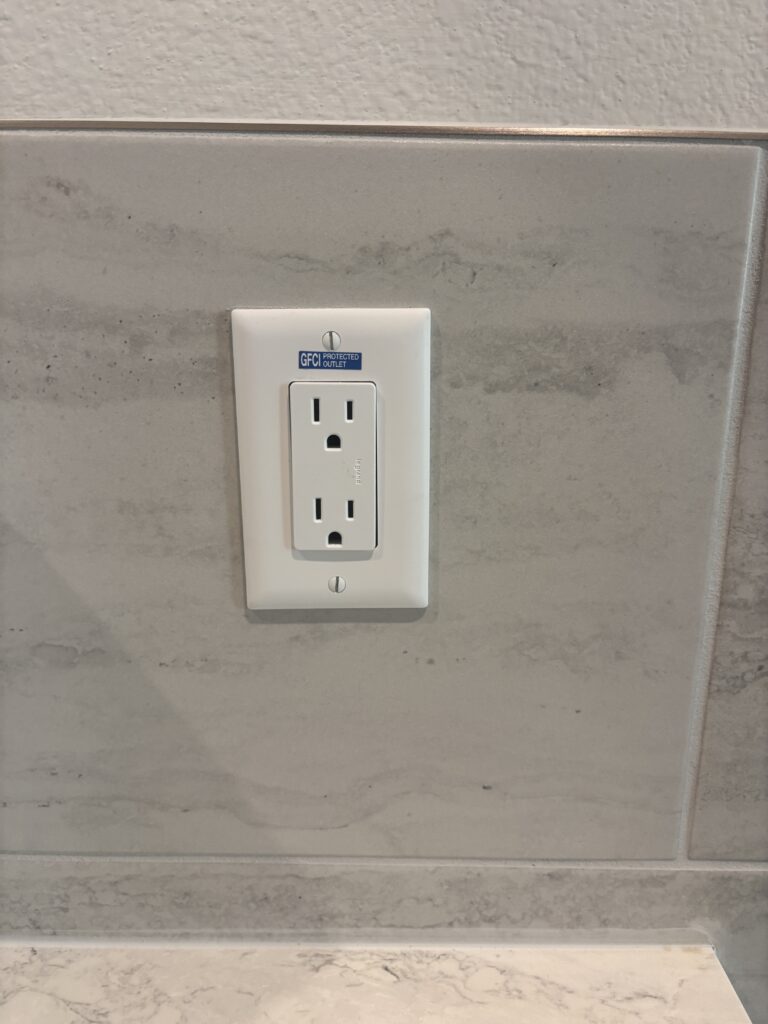
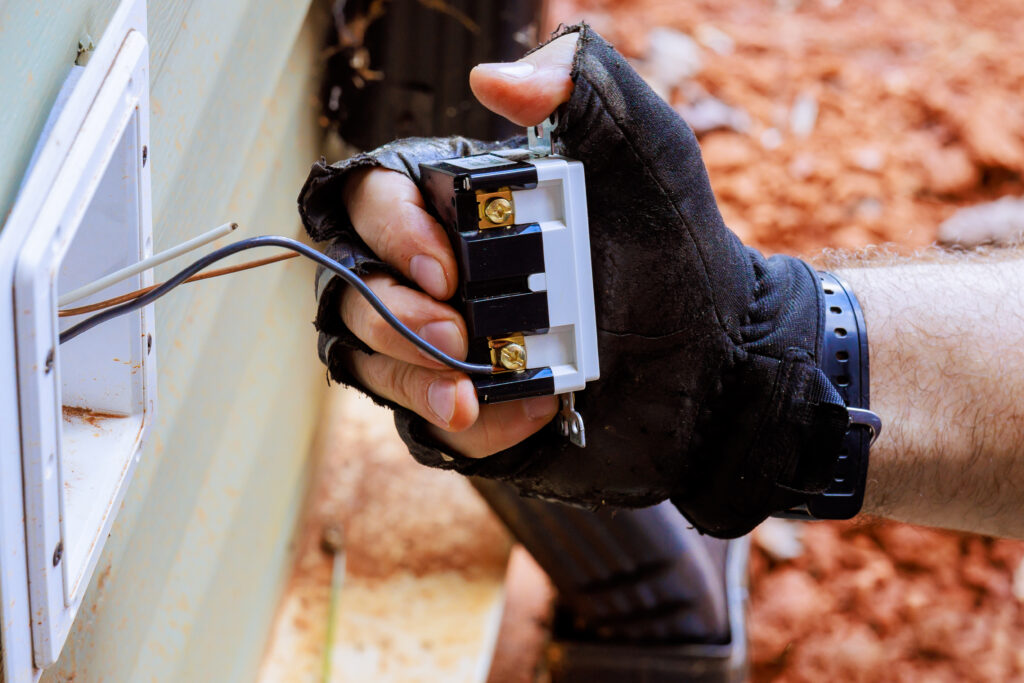
You may also hear GFCI outlets called GFI outlets in casual conversation. The two terms refer to the same device, and the difference is just abbreviation preference. Either way, what you’re looking at is a small but remarkably sophisticated piece of electrical safety equipment, built right into the wall, ready to act faster than you could possibly react on your own.
How GFCI Outlets Work to Protect Your Family
The science behind GFCI outlets is genuinely impressive. Under normal conditions, the same amount of electrical current flowing out through the hot wire of a circuit should return through the neutral wire. The two values match almost perfectly, since electricity travels in a complete loop from the panel, through the appliance or device, and back.
When something goes wrong, however, that balance is broken. If a hairdryer falls into a sink full of water, if a damaged power tool cord touches a wet garage floor, or if a person comes into contact with a live wire, some of the electricity starts flowing through that unintended path instead of returning through the neutral wire as expected. A GFCI outlet detects this imbalance, even when it’s as small as four to six milliamps, and shuts off the circuit in roughly one twenty-fifth of a second. That’s far faster than the human nervous system can respond, and it’s the difference between a brief startle and a fatal injury.
Without a GFCI outlet, that same scenario could send dangerous current through a person’s body for as long as it takes them to let go, which often isn’t long enough to avoid serious harm. With one, the power simply stops before any real damage occurs. It’s a quietly heroic piece of technology, and it’s been one of the most significant residential safety advances of the past half century.
GFCI vs Standard Outlets vs AFCI: Understanding the Differences
It’s easy to mix up GFCI outlets with other types of receptacles you might see in your home. Standard outlets, sometimes called duplex receptacles, simply provide power without any built-in protection beyond the breaker in your main panel. They’re appropriate for most general-purpose locations in the home, like bedrooms, living rooms, and hallways.
AFCI outlets, which stand for Arc Fault Circuit Interrupter, look similar to GFCI outlets but serve a different purpose. AFCI protection detects dangerous electrical arcs, the kind that happen when wires are damaged, loose, or chewed by rodents. These arcs are a common cause of house fires, and AFCI outlets or breakers are now required by code in most rooms of new homes. GFCI protection is about preventing electric shock, while AFCI protection is about preventing fires. Some newer devices combine both functions in a single outlet or breaker, providing comprehensive protection on circuits where both hazards exist.
Understanding which type of protection you have where matters because each addresses a different kind of risk. A bathroom needs GFCI protection because water and electricity are a dangerous combination. A bedroom needs AFCI protection because the wiring there is more likely to cause a fire than to shock someone. A kitchen typically benefits from both. Knowing what protection your home has helps you understand whether your electrical system is genuinely up to current safety standards.
Where GFCI Outlets Are Required in Your Home
The National Electrical Code, which Allentown and the rest of Pennsylvania follow, requires GFCI protection in any location where water and electricity might come into contact, where outlets are exposed to the elements, or where the risk of shock is elevated for other reasons. The specific requirements have expanded over the years as our understanding of electrical safety has improved.
GFCI protection is currently required in bathrooms (all outlets), kitchens (all outlets serving countertop surfaces), laundry areas, garages, unfinished basements, crawl spaces, outdoor locations, near swimming pools and spas, near sinks of any kind, and on outlets serving dishwashers. Newer code revisions have expanded the requirements to include even more locations, and your local electrical inspector applies the version of the code that was in effect when your home was built or last upgraded.

If your home doesn’t have GFCI protection in any of these locations, that’s not necessarily a code violation depending on the age of the home, but it is a safety gap worth addressing. Adding GFCI outlets to older homes is one of the most cost-effective electrical safety upgrades available, and it can be done without major renovation in most cases.
Why Older Allentown Homes Often Lack Proper GFCI Protection
The Lehigh Valley has a remarkable stock of older homes, many of which were built long before GFCI technology was developed or widely required. GFCI outlets first appeared in residential code in the early 1970s for outdoor receptacles, expanded to bathrooms in 1975, kitchens in 1987, and progressively to other locations in the decades since. That means any home built before those code changes was originally wired without GFCI protection in places where it’s now required.
If your Allentown home was built in the 1960s, 1970s, or even the 1980s, there’s a real chance that some areas of your home don’t have the GFCI protection that current code calls for. This isn’t necessarily a violation, since older homes are generally allowed to retain their original wiring unless they’re being significantly renovated. However, “code compliant for the year it was built” and “safe by modern standards” are not always the same thing. Many older homes have outlets within a few feet of kitchen sinks, in damp basements, or on outdoor walls that have no GFCI protection at all, leaving the people using them exposed to risks that newer homes have eliminated.
Upgrading to GFCI protection in these locations is straightforward, affordable, and one of the best investments you can make in the long-term safety of your home and family.
How to Test Your GFCI Outlets (And Why You Should Every Month)
GFCI outlets have a useful feature that most homeowners don’t take advantage of. They’re designed to be tested regularly, and the manufacturers recommend testing every single one in your home at least once a month. The test is simple, takes only a few seconds, and verifies that the device will actually do its job when it matters.
To test a GFCI outlet, plug a small lamp or other device into it to confirm it has power. Then press the “TEST” button. The lamp should immediately turn off, indicating that the outlet has tripped as designed. Press the “RESET” button, and the lamp should come back on. That’s the entire test, and if either step fails (the outlet doesn’t trip when you press TEST, or it won’t reset afterward), the outlet itself has failed and needs to be replaced.
Monthly testing matters because GFCI outlets, like all electrical components, can fail over time. A failed GFCI outlet may still deliver power normally, so you’d never know there was a problem from daily use. The only way to verify it’s still providing protection is to test it. Set a reminder on your phone or calendar, walk through your home once a month, and check every GFCI outlet you can find. It’s one of the simplest safety habits you can build, and it could genuinely save a life.
Signs Your GFCI Outlet Is Failing
Beyond the monthly test, several other signs can indicate a GFCI outlet that’s nearing the end of its useful life. If the outlet won’t reset after tripping, that’s a clear failure. If it trips repeatedly without an obvious cause, the internal components may be deteriorating. If you notice any discoloration around the outlet, warm spots when you touch the cover plate, or a burning smell coming from the outlet area, the unit has failed in a more serious way and needs immediate attention.
Outlets that have been in service for more than 10 to 15 years are also good candidates for proactive replacement, even if they’re still passing the monthly test. The internal sensing electronics degrade slowly over time, and an older GFCI may still pass a basic test while no longer providing reliable protection against actual ground faults. If you’ve never replaced the GFCI outlets in your home and they look like they’ve been there for decades, it’s worth having a licensed electrician evaluate them and replace any that are due.
Why GFCI Outlets Trip and What to Do When They Do
When a GFCI outlet trips, it’s almost always doing its job. The most common cause is a small amount of moisture inside an appliance, a damaged cord, or a worn power tool that’s allowing current to flow where it shouldn’t. Outdoor outlets often trip during or after heavy rain when moisture gets into outlets, extension cords, or device housings. Bathroom outlets sometimes trip when a hairdryer or other appliance has a small internal fault that wouldn’t be obvious from looking at it.
When an outlet trips, first try to identify what was plugged into it at the time. Unplug everything, press the RESET button, and see if it stays reset. If it does, the trip was likely caused by the device, and you should inspect it for damage before plugging it back in. If the outlet trips again immediately with nothing plugged into it, the problem is somewhere in the wiring or in the GFCI outlet itself, and it’s time to call a licensed electrician.
Don’t try to defeat a tripping GFCI by replacing it with a standard outlet or bypassing the protection in some other way. The outlet is trying to tell you something, and ignoring it puts everyone in your home at risk.
Should You Install GFCI Outlets Yourself?
GFCI outlet installation looks straightforward, and many home improvement videos make it seem like a simple DIY project. In reality, there’s more to a safe, code-compliant installation than just swapping out an outlet, especially if your home doesn’t already have GFCI wiring in place.



Common mistakes include wiring the line and load terminals backward, which causes the outlet to fail silently while appearing to work normally. Other mistakes include failing to identify whether a circuit can support GFCI protection, missing the need for AFCI protection in addition to GFCI on the same circuit, or accidentally creating new code violations while attempting to upgrade. In older homes, replacing a two-prong outlet with a GFCI outlet without a proper ground introduces additional considerations that aren’t immediately obvious to homeowners.
A licensed electrician understands all of these factors, can identify any underlying issues with your wiring while doing the work, and pulls the appropriate permits when required. For most homeowners, the relatively modest cost of professional installation is well worth the peace of mind that comes from knowing the work was done correctly.
How Often Should GFCI Outlets Be Replaced?
Even properly installed GFCI outlets don’t last forever. Most manufacturers indicate a useful life of 10 to 15 years, after which the internal components may no longer respond reliably to ground faults. Outlets in harsher environments, like outdoor locations or damp basements, may need replacement even sooner, while indoor outlets in dry locations sometimes last longer.
If you don’t know how old the GFCI outlets in your home are, assume they’re due for inspection. Have a licensed electrician evaluate them, test each one, and recommend replacements for any that are showing signs of age or are simply old enough to be approaching the end of their service life. Replacing a few outlets every decade or so is a small investment compared to the protection they provide.
GFCI outlets are one of the most important safety upgrades you can make to your home, and getting them installed correctly matters as much as having them in the first place. At Edinson Electrical, we install, test, and replace GFCI outlets throughout Allentown and the Lehigh Valley every week. We know the local code requirements, we understand the quirks of older homes in our area, and we leave every installation in safe, code-compliant condition.
Our licensed electricians can evaluate your existing electrical system, identify any locations where GFCI protection is missing or outdated, and recommend a plan for bringing your home up to current safety standards. Whether you need a single replacement, a comprehensive upgrade throughout your home, or just a professional opinion on the state of your existing protection, we’re here to help.
Don’t wait until a near-miss or a failed inspection forces the issue. Contact Edinson Electrical today to schedule a GFCI evaluation and find out exactly what your home needs. A safer, more reliable electrical system is closer than you think, and the small investment in proper GFCI protection pays dividends in peace of mind every single day.