
Should You Install a Dedicated Circuit for Your Window Air Conditioner
Summer heat in Pennsylvania pushes window air conditioners to run for hours at a time, and that constant demand puts serious pressure on your home’s electrical system. Many homeowners plug a window AC unit into the nearest available outlet without thinking about the amperage draw, the circuit load, or what else is sharing that same line. The short answer is that most window air conditioners benefit from a dedicated circuit, and larger units actually require one to operate safely under the National Electrical Code. A dedicated circuit gives your AC unit its own direct path back to the electrical panel, which prevents tripped breakers, overheated wiring, and damaged compressors. Understanding the electrical demands of your window unit helps you make smart decisions before the temperature climbs into the nineties. This guide walks through the wiring requirements, the warning signs of an overloaded circuit, and the long-term benefits of having a licensed electrician install a dedicated line for your cooling equipment.
Why a Dedicated Circuit for Your Window Air Conditioner Matters
A window air conditioner is one of the most power-hungry appliances in a typical home, often pulling between 5 and 15 amps depending on the BTU rating and energy efficiency. When that unit shares a 15-amp circuit with lamps, televisions, phone chargers, and other devices, the total load can quickly exceed safe limits. A dedicated circuit means the air conditioner has its own breaker and its own wire run from the panel, with nothing else competing for that capacity. This setup follows National Electrical Code guidelines for fixed-in-place cooling equipment and large motor loads. It also protects the compressor inside your AC unit from voltage drops that shorten its lifespan. Homeowners across Whitehall, Allentown, and Bethlehem rely on dedicated circuits to keep their cooling systems running through the hottest stretches of summer without electrical headaches.
Why Window Air Conditioner Amperage Demands a Dedicated Circuit
Window air conditioners draw far more current than most people realize, especially during the startup cycle when the compressor first kicks on. A 10,000 BTU unit typically pulls around 9 to 10 amps during normal operation, but the inrush current at startup can briefly spike to two or three times that amount. Smaller 5,000 BTU units may run closer to 5 amps, while larger 15,000 BTU units can demand 12 amps or more on a continuous basis. The National Electrical Code limits continuous loads to 80 percent of a circuit’s rated capacity, which means a standard 15-amp circuit should not carry more than 12 amps of continuous draw. When you factor in lights, electronics, and other plugged-in devices, that ceiling gets crossed quickly. A dedicated 15-amp or 20-amp circuit gives your window AC the headroom it needs to start and run without tripping the breaker. This is exactly why professional electricians recommend dedicated circuits for any window unit rated above 7,500 BTU.
Plugging a high-amperage window air conditioner into a shared circuit creates real risks beyond simple inconvenience. The wiring inside your walls is sized to handle a specific amperage, and pushing too much current through that wire generates heat at outlets, splices, and connection points. Over time, that heat degrades insulation, loosens connections, and creates the conditions for an electrical fire. Aluminum branch wiring from older homes is particularly vulnerable to this kind of thermal damage. A dedicated circuit eliminates the guesswork by ensuring the wire gauge, breaker rating, and outlet type all match the appliance load. It also prevents the nuisance trips that happen when someone runs a vacuum or microwave on the same line as the air conditioner. For homes in Easton, Nazareth, and Hellertown, where summer humidity drives AC runtime up significantly, this kind of protection pays off year after year.
The compressor inside your window air conditioner is the most expensive component to replace, and it depends on stable voltage to operate efficiently. When a circuit is overloaded or shared with other large appliances, the voltage drops every time another device cycles on. That voltage sag forces the compressor motor to work harder, generating extra heat and accelerating mechanical wear. A dedicated circuit delivers consistent voltage right at the outlet, which keeps the compressor running at its designed efficiency. This translates to lower energy bills, longer equipment lifespan, and better cooling performance during heat waves. Many manufacturers actually void the warranty on window AC units that are connected to undersized or overloaded circuits. Installing a dedicated circuit is the simplest way to protect both your investment and your warranty coverage.
Why National Electrical Code Requirements Support a Dedicated Circuit for Your Window Air Conditioner
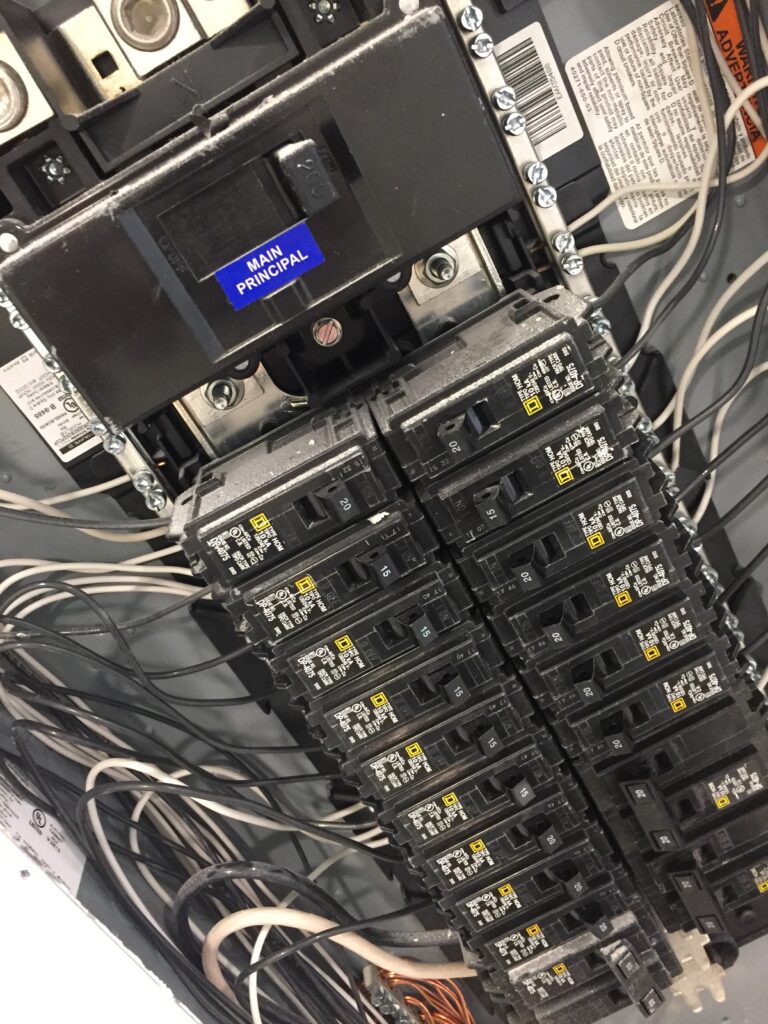
The National Electrical Code, often called the NEC, sets the standards that licensed electricians follow when installing circuits for cooling equipment. Article 440 of the NEC specifically addresses air conditioning and refrigeration equipment, including window units rated above certain thresholds. The code requires that the branch circuit ampacity match or exceed 125 percent of the rated load current for continuous duty appliances like air conditioners. This rule exists because cooling equipment runs for long stretches, especially during summer months in the Lehigh Valley. A circuit sized just barely above the AC nameplate rating will overheat under sustained use, even if it technically passes a quick load calculation. Code-compliant installation always builds in that safety margin to account for real-world operating conditions.
Larger window air conditioners that exceed 7.5 amps or use a 240-volt plug almost always require a dedicated circuit under NEC rules. The 240-volt units commonly found in larger window installations need a two-pole breaker and a special receptacle that no other appliance can use. These setups are not optional upgrades; they are code requirements that protect your home and family. Inspectors in Pennsylvania municipalities will flag any window AC installation that violates these clearance, amperage, or receptacle requirements. If your home was wired before these standards were updated, you may have grandfathered conditions that no longer match modern AC equipment. A licensed electrician can evaluate your existing wiring and recommend the right dedicated circuit configuration for your specific unit. If you need help bringing your home up to current standards, click here for our electrical inspection service.
Beyond the NEC, manufacturer installation manuals almost always specify dedicated circuit requirements for window air conditioners above a certain BTU threshold. These manuals are not suggestions; they form part of the legal installation requirements under the code’s listing and labeling provisions. Ignoring the manufacturer’s wiring instructions can void your warranty and create liability issues if a fire or electrical incident occurs. Homeowners often overlook these requirements because the unit comes with a standard-looking plug, assuming any outlet will work. The reality is that the plug type, outlet rating, and circuit capacity all need to match the manufacturer’s specifications precisely. Working with a licensed electrician ensures every aspect of the installation meets both code and manufacturer requirements. This protects your home, your equipment, and your insurance coverage for years to come.
Why Shared Circuits Cause Problems That a Dedicated Circuit for Your Window Air Conditioner Solves
Shared circuits are the single biggest cause of nuisance breaker trips during summer months, especially in older homes with limited panel capacity. When your window air conditioner shares a circuit with bedroom outlets, every device you plug in eats into the amperage available for cooling. Hair dryers, space heaters in adjacent rooms, gaming consoles, and even high-wattage lamps can push a shared circuit past its limit. The breaker trips as designed, which is actually the safety system working correctly, but it leaves you without cooling on the hottest days. A dedicated circuit removes all of these competing loads from the equation entirely. Your AC unit gets the full amperage it was designed to use, and the rest of your devices stay on their own separate circuits.
Voltage drop is another hidden problem that shared circuits create for window air conditioner performance. When multiple devices pull current through the same wire run, the voltage at the far end of the circuit sags below the standard 120 volts. Air conditioner compressors are particularly sensitive to low voltage, and running below 108 volts can cause the motor to overheat and fail prematurely. Long wire runs in older Pennsylvania homes amplify this problem because the wire itself adds resistance to the circuit. A dedicated circuit minimizes voltage drop by giving the AC unit a short, direct path from the panel with no other loads draining the line. This keeps your cooling system operating at peak efficiency throughout the entire summer season. It also reduces the strain on your electrical panel and connected equipment.
Heat buildup at outlets and connection points is the most dangerous consequence of running a window air conditioner on an overloaded shared circuit. Loose connections, undersized wire, and excessive amperage all generate heat that you cannot see behind your walls. That heat slowly degrades the plastic insulation around the wire and the outlet itself, creating brittle spots that eventually fail. In the worst cases, this leads to arcing inside the wall cavity and the start of an electrical fire. Window AC units run for hours at a stretch, which gives heat plenty of time to accumulate in compromised connections. A dedicated circuit installed with the correct wire gauge eliminates this risk by sizing every component for the actual load. If you have noticed warm outlets, discolored faceplates, or burning smells near your AC unit, click here for our electrical repair service right away.
Signs You Need a Dedicated Circuit for Your Window Air Conditioner
Knowing the warning signs of an overloaded circuit can save you from equipment damage, fire risk, and expensive emergency repairs during peak summer heat. Most homes built before the 1990s were never designed to handle modern cooling equipment loads, so retrofitting a dedicated circuit is often necessary. The symptoms usually start small, like a breaker that occasionally trips, but they get worse as the weather warms up and AC runtime increases. Paying attention to these early signals lets you address the problem before it becomes an emergency. Some symptoms are obvious, like flickering lights when the compressor kicks on, while others are more subtle and require closer inspection. A licensed electrician can perform a load calculation and physical inspection to determine exactly what your home needs.
Tripping Breakers and Other Signs You Need a Dedicated Circuit for Your Window Air Conditioner
Frequent breaker trips are the most obvious sign that your window air conditioner is overloading its current circuit. Each time the breaker trips, it means the total current draw has exceeded the rated capacity of either 15 or 20 amps. Some homeowners try to solve this by replacing the breaker with a larger one, which is extremely dangerous and a serious code violation. The breaker is matched to the wire size inside your walls, and upsizing it just removes the safety protection without fixing the underlying load problem. If your window AC trips the breaker repeatedly, the correct fix is a properly sized dedicated circuit with matching wire and breaker. This restores the safety margin while giving your cooling system the capacity it needs.
Flickering or dimming lights when the air conditioner starts up is another clear indicator of an undersized or shared circuit. The compressor inrush current pulls so much amperage during startup that the voltage drops across the entire circuit for a split second. Other devices on that same circuit see the voltage sag and respond by dimming, flickering, or even resetting. While a brief flicker might seem harmless, it tells you that the circuit is operating at the edge of its capacity. Repeated voltage sags damage sensitive electronics like televisions, computers, and LED light fixtures over time. A dedicated circuit isolates the AC startup load from the rest of your home, eliminating these voltage disturbances entirely. Your lights stay steady, your electronics stay safe, and your cooling system operates the way it was designed to.
Warm outlets, discolored cover plates, and a burning plastic smell near your window AC are the most serious warning signs that demand immediate attention. These symptoms indicate that excessive heat is building up at the connection point between the plug and the outlet. The cause is almost always a combination of high amperage draw, loose connections, and undersized wiring somewhere in the circuit. Ignoring these signs can lead to outlet failure, melted wiring, and electrical fires that spread inside wall cavities. Unplug the air conditioner immediately and avoid using that outlet until a licensed electrician can inspect it. The repair almost always involves replacing the outlet, the wire run, and the breaker, which essentially creates a new dedicated circuit. This is one situation where waiting to call for service can have catastrophic consequences for your home and family.
Older Wiring Issues That Point to a Dedicated Circuit for Your Window Air Conditioner
Homes built before the 1970s often have wiring that simply cannot handle the demands of modern window air conditioners. Knob and tube wiring, early aluminum branch circuits, and undersized copper conductors were never designed for sustained 10-amp cooling loads. These older systems may have worked fine for decades with light bulbs and small appliances, but window AC units push them past their limits. Insurance companies are increasingly strict about coverage for homes with outdated wiring, especially when high-draw appliances are connected. Upgrading to a dedicated circuit with modern wire and a properly rated breaker brings that part of your home up to current standards. It also gives you a safer, more reliable connection for your cooling equipment.
Two-prong outlets without a grounding conductor are a common problem in older Lehigh Valley homes and a clear sign that dedicated circuit upgrades are needed. Window air conditioners are required to have a grounded connection to safely dissipate any electrical fault current. Plugging a three-prong AC plug into a two-prong outlet using an adapter bypasses this safety system entirely. If a fault occurs inside the unit, the metal cabinet can become energized and pose a serious shock hazard. A dedicated circuit installation always includes a properly grounded outlet that matches the AC plug configuration. This eliminates the need for adapters and provides the safety protection that the National Electrical Code requires. It also makes your home compliant with insurance requirements and resale standards.
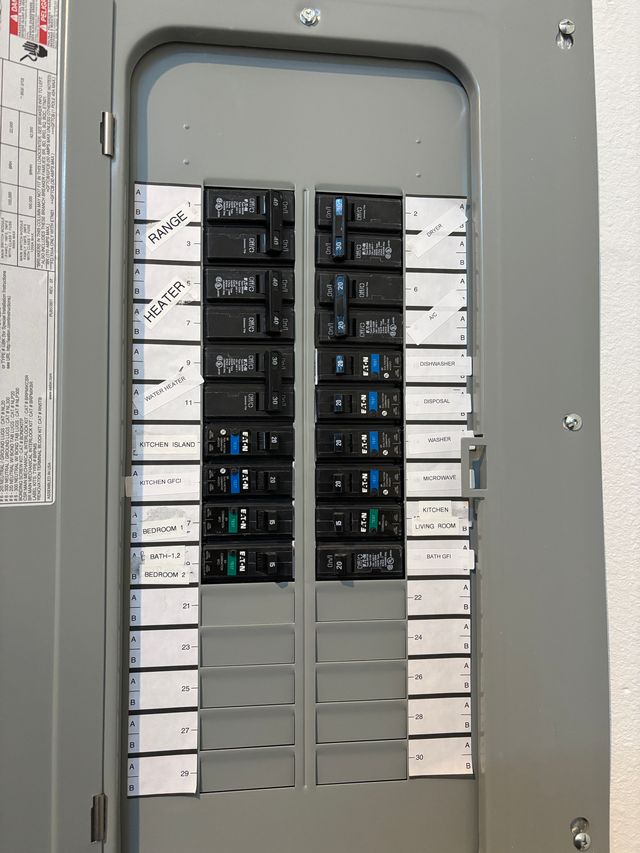
Aging electrical panels with limited capacity often cannot accommodate the additional dedicated circuits that modern cooling loads require. Panels rated at 60 or 100 amps were standard decades ago, but today’s homes typically need 200 amps to handle air conditioning, EV charging, and other modern equipment. If your panel is already full or undersized, adding a dedicated circuit for your window AC may require a service upgrade first. This is a more involved project, but it sets your home up for decades of reliable electrical capacity. A licensed electrician can evaluate your existing panel and recommend the right path forward. If you are dealing with an outdated panel that cannot support a new circuit, click here for our electrical service upgrade service to learn how we can help.
Larger BTU Units That Always Require a Dedicated Circuit for Your Window Air Conditioner
Window air conditioners rated above 12,000 BTU almost always require a dedicated circuit due to their continuous amperage draw. These larger units typically pull between 10 and 12 amps under normal operation, with startup spikes reaching 25 amps or more. A standard shared circuit cannot reliably handle this kind of demand, even if no other appliances are connected. The math is simple: 12 amps continuous draw on a 15-amp circuit exceeds the 80 percent NEC limit for continuous loads. A dedicated 20-amp circuit gives these larger units the headroom they need to operate safely throughout the cooling season. It also prevents the breaker trips and voltage drops that plague shared circuits during summer.
Window AC units rated above 15,000 BTU usually run on 240 volts and require a completely different type of dedicated circuit and outlet. These 240-volt units use a two-pole breaker and a special receptacle that looks different from a standard household outlet. The wiring is also heavier gauge to handle the higher voltage and continuous load characteristics. Installing a 240-volt circuit requires a licensed electrician because the work involves running new wire from the panel and adding a properly sized breaker. The good news is that 240-volt units are more efficient than their 120-volt counterparts, using less amperage to deliver the same cooling output. This efficiency translates to lower operating costs over the lifetime of the equipment. For larger rooms and open floor plans, 240-volt dedicated circuits are the standard installation in Lehigh Valley homes.
Portable air conditioners and through-the-wall units fall into similar dedicated circuit requirements depending on their size and electrical specifications. While they look different from traditional window units, the internal compressors and fans draw similar amperage and create the same circuit demands. Through-the-wall installations often involve permanent wiring that must follow stricter code requirements than plug-in units. The dedicated circuit specifications depend on the manufacturer’s labeling and the unit’s BTU rating. A licensed electrician can review the equipment specifications and determine whether your existing wiring can support the installation. If a new dedicated circuit is needed, the work usually includes running wire from the panel, adding a breaker, and installing the correct outlet type. This ensures the entire installation meets code and operates safely for years to come.
Why You Need Professional Installation for Your Window Air Conditioner Dedicated Circuit
Installing a dedicated circuit for a window air conditioner is not a do-it-yourself project, even for handy homeowners with some electrical experience. The work involves running new wire from your electrical panel through wall cavities, adding a properly sized breaker, and installing a code-compliant outlet at the AC location. Every step must follow the National Electrical Code and local Pennsylvania regulations to keep your home safe and insurable. A licensed electrician handles all of this work efficiently and pulls the necessary permits for inspection. The investment in professional installation pays off in equipment longevity, energy efficiency, and peace of mind during heat waves. Edinson Electrical Solutions has installed countless dedicated circuits for window AC units across the Lehigh Valley.
How Licensed Electricians Install a Dedicated Circuit for Your Window Air Conditioner
A licensed electrician starts every dedicated circuit installation with a thorough evaluation of your existing electrical panel and load capacity. This involves calculating your home’s total connected load, identifying available breaker slots, and confirming that the panel can handle the additional circuit. If the panel is full or undersized, the electrician will recommend either a subpanel installation or a full service upgrade before proceeding. The wire run from the panel to the AC location gets planned carefully to minimize wall damage and maintain code-required clearances. Each step follows NEC standards for wire gauge, breaker rating, and outlet specifications.
The actual installation work involves running appropriate gauge wire through wall cavities, drilling through framing where needed, and securing the wire to studs at code-required intervals. The wire connects to a new breaker in the panel on one end and a properly rated outlet at the AC location on the other end. Every connection gets torqued to manufacturer specifications to prevent the loose joints that cause overheating. The outlet gets mounted in a code-compliant box with the right cover plate for the location. Final testing confirms proper voltage, polarity, and grounding before the circuit is energized.
After installation, the electrician schedules an inspection with the local Pennsylvania municipal authority to verify code compliance. This inspection protects you as the homeowner by creating a permanent record that the work meets all applicable standards. It also satisfies insurance requirements and resale documentation needs down the road. Edinson Electrical Solutions handles the entire permit and inspection process so you do not have to deal with paperwork or scheduling. The whole installation typically takes a few hours for a straightforward circuit run with no panel complications.

Benefits of Professional Installation for Your Window Air Conditioner Dedicated Circuit
Professional installation guarantees that your dedicated circuit meets every National Electrical Code requirement from panel to outlet. Licensed electricians carry the training, tools, and experience to handle every aspect of the job correctly the first time. This includes proper wire sizing, breaker selection, grounding, and outlet placement for your specific AC unit. The work comes with documentation that satisfies insurance companies, home inspectors, and future buyers. You also get the peace of mind that comes from knowing the installation will not cause fires, equipment damage, or code violations.
Quality installation extends the lifespan of your window air conditioner by providing stable voltage and adequate current capacity. Compressors last longer when they receive consistent power without sags or spikes from overloaded shared circuits. Energy efficiency also improves because the motor operates closer to its designed performance specifications. These efficiency gains add up to real savings on your monthly electric bills throughout the summer cooling season. Over the lifetime of the AC unit, a dedicated circuit easily pays for itself through equipment longevity and lower operating costs.
Safety is the most important benefit of professional dedicated circuit installation for any window air conditioner. Electrical fires from overloaded circuits cause thousands of home fires every year, and many of them happen during peak cooling season. A code-compliant dedicated circuit eliminates the overload risk by sizing every component for the actual AC load. Proper grounding protects against shock hazards from internal AC faults. Working with a licensed electrician means every aspect of the installation prioritizes safety for your family and your home.
Why Choose Edinson Electrical Solutions for Your Window Air Conditioner Dedicated Circuit
Edinson Electrical Solutions brings years of experience installing dedicated circuits for window air conditioners across Whitehall, Allentown, Bethlehem, Easton, and the surrounding Lehigh Valley communities. Our licensed and insured electricians follow every National Electrical Code requirement and pull all necessary permits for your project. We treat every job as an opportunity to deliver code-compliant work built for long-term reliability. Family owned and operated, we understand what local homeowners need from their electrical systems during Pennsylvania summers. Our team arrives on time, completes the work efficiently, and cleans up before we leave.
Every dedicated circuit installation we perform comes with our lifetime craftsmanship warranty, which protects you against any workmanship issues for as long as you own the home. We use quality materials sourced from trusted manufacturers and install everything to manufacturer specifications. Financing through Synchrony is available for homeowners who need flexible payment options for larger electrical projects. We provide upfront pricing so you know exactly what the work will cost before we start. No surprises, no hidden fees, and no shortcuts on safety or code compliance.
Edinson Electrical Solutions is dedicated to providing five star service on every job, from small outlet replacements to major dedicated circuit installations. Our reviews from neighbors across the Lehigh Valley reflect our commitment to quality work and honest communication. We answer the phone when you call, arrive when we say we will, and stand behind every installation we complete. When you need a dedicated circuit for your window air conditioner installed correctly the first time, our team is ready to help. Call (484) 898-7788 or email info@edinsonelectrical.com to schedule your installation today.