
Why Your Ceiling Fan Should Spin Counterclockwise All Summer Long
Summer heat in the Lehigh Valley pushes indoor temperatures into uncomfortable territory, and your ceiling fan is one of the most affordable tools for fighting back against that humid, sticky air. Most homeowners do not realize that the direction of their ceiling fan blades makes a massive difference in how cool a room actually feels during the warmer months. Setting your ceiling fan to spin counterclockwise during summer creates a downward airflow that produces a wind chill effect on your skin, which can make a room feel up to 4 degrees cooler. This simple adjustment allows you to raise your thermostat setting without sacrificing comfort, which lowers your monthly cooling costs significantly. A properly installed and correctly rotating ceiling fan works alongside your central air conditioning to circulate cool air more efficiently throughout your living spaces. Pairing fan direction with smart thermostat habits is one of the easiest ways to stretch every dollar you spend on summer energy bills. Understanding why counterclockwise rotation matters helps you get the most out of every ceiling fan in your home all season long.
How Counterclockwise Ceiling Fan Rotation Cools Your Home in Summer
Ceiling fans do not actually lower the temperature of a room; they move air across your skin to make you feel cooler through evaporation. When the blades spin counterclockwise during summer, they push air straight down toward the floor, creating a noticeable breeze that pulls heat and moisture away from your body. This downdraft effect is the foundation of how ceiling fans help reduce reliance on air conditioning during the hottest months of the year. The angle of the blades is engineered to scoop air on the leading edge and force it downward when rotating in the correct direction. Without that downward airflow, your fan is essentially wasting electricity while providing very little comfort benefit. Counterclockwise rotation also helps your air conditioner distribute conditioned air more evenly across rooms with high ceilings or open layouts. Getting the rotation right is a small detail with a major impact on summer comfort and home energy efficiency.
The Science Behind Counterclockwise Ceiling Fan Rotation in Summer
The physics of a ceiling fan rotating counterclockwise comes down to blade pitch and the direction of rotation working together to move air downward. Each blade is angled slightly, usually between 12 and 16 degrees, so that the leading edge scoops air as it spins through the room. When the rotation is counterclockwise as viewed from below, that scooping motion forces air straight down toward the floor in a column directly beneath the fan. That downward column then spreads outward across the room, creating a circulating breeze that reaches every corner. The moving air accelerates the evaporation of sweat from your skin, which is how your body naturally cools itself in warm weather. Without that air movement, sweat sits on your skin and humidity feels oppressive, which is why a still room always feels hotter than a ventilated one. The faster the fan spins, the stronger the cooling sensation becomes, though most rooms only need a medium speed setting to feel noticeably cooler. Understanding this airflow principle helps homeowners use ceiling fans strategically instead of just turning them on and hoping for the best.
The cooling sensation produced by a counterclockwise ceiling fan is called the wind chill effect, and it works the same way outdoors on a breezy summer afternoon. Your body releases heat into the surrounding air through convection, and moving air carries that heat away faster than still air ever could. A fan spinning at the correct speed and direction can make a room feel between 3 and 4 degrees cooler than the actual thermostat reading. That perceived temperature drop lets you raise your air conditioner setting by several degrees while maintaining the same level of comfort. The U.S. Department of Energy estimates that every degree you raise your thermostat can save around 3 percent on cooling costs. Combined across a full summer, this kind of energy savings adds up to real money back in your pocket. The wind chill effect only works when you are in the room, which is why running ceiling fans in empty rooms is a waste of electricity.
Ceiling fans rotating counterclockwise also play a critical role in homes with central air conditioning by helping to circulate that cooled air throughout the space. Without good air circulation, cold air from your vents tends to pool in certain spots and leave other areas of the room feeling warm and stuffy. The downward airflow from a properly rotating fan disrupts those pockets of stagnant air and pushes conditioned air toward where you actually sit, sleep, or work. This circulation effect is especially valuable in bedrooms, living rooms, and home offices where you spend long stretches of time. Homes with vaulted or cathedral ceilings benefit even more because cool air naturally settles low while hot air rises toward the peak. A counterclockwise fan brings that trapped cool air back down where your family can actually enjoy it. This is why ceiling fan placement and direction matter just as much as the air conditioning system itself.
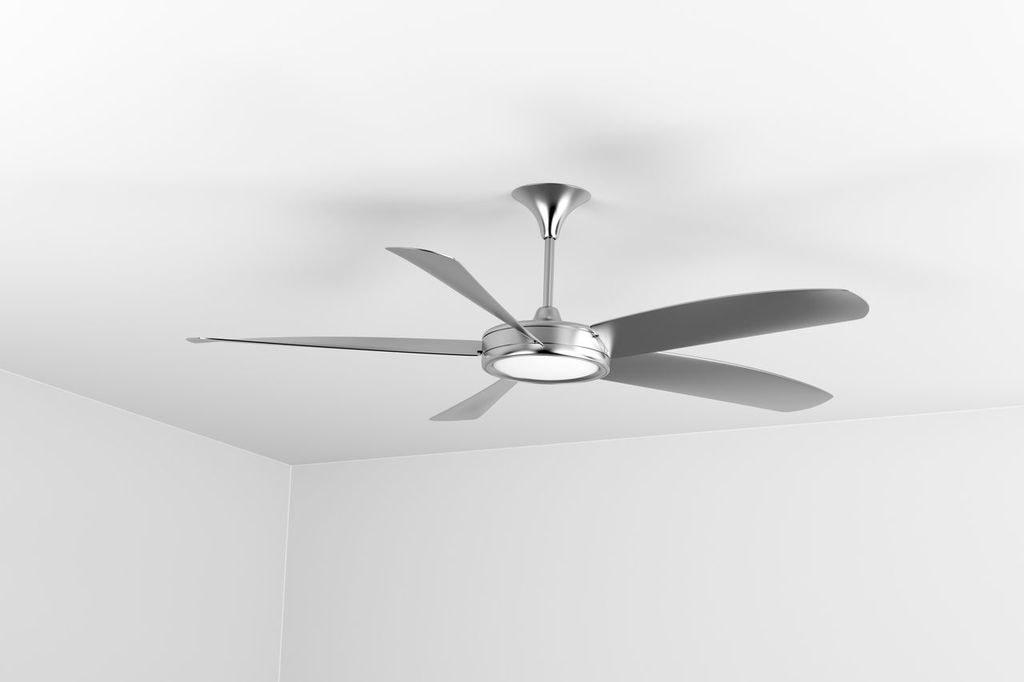
Setting Your Ceiling Fan to Counterclockwise Rotation for Summer
Changing your ceiling fan rotation to counterclockwise is a simple task that most homeowners can do in under a minute with the right approach. Start by turning the fan off completely and waiting for the blades to come to a full stop before doing anything else. Look at the motor housing in the center of the fan and find the small directional switch, which is usually a black toggle on the side of the housing. Flip the switch in the opposite direction, then turn the fan back on at a medium speed and stand directly beneath it. If you feel a strong breeze blowing down on you, the fan is now rotating counterclockwise and is set correctly for summer. If you do not feel that downward airflow, turn the fan off again, flip the switch back, and confirm the change. Some modern ceiling fans use a remote control or wall switch with a reverse button instead of a manual toggle.
Many newer ceiling fan models come with smart features that allow you to change blade direction using a smartphone app or voice assistant like Amazon Alexa or Google Home. These smart ceiling fans connect to your home Wi-Fi network and let you schedule rotation changes seasonally without ever climbing onto a ladder. Some advanced models even sense room temperature and humidity, then automatically adjust speed and direction to maintain optimal comfort throughout the day. If you are considering upgrading to a smart ceiling fan, proper wiring is essential to make sure the smart features actually work as intended. Older homes sometimes need additional wiring or a neutral wire run to the switch box to support smart ceiling fan controls. Hiring a licensed electrician for the installation guarantees that your new fan operates safely and meets current electrical code requirements. Smart ceiling fans are an excellent upgrade for homeowners who want maximum convenience and energy efficiency during summer.
Need a new ceiling fan installed or an old one wired correctly for summer use? Click here for our ceiling fan installation service. A properly installed ceiling fan with secure mounting and the right wiring runs quietly and lasts for many years. Wobbling fans, loose blades, or weak airflow often point to installation issues that should be corrected by a qualified professional. Our team at Edinson Electrical Solutions has installed countless ceiling fans across the Lehigh Valley, including in homes with high ceilings, sloped ceilings, and outdoor covered patios. We handle the wiring, the mounting, and the balancing so your fan delivers maximum cooling power all summer. Investing in professional installation now saves you from headaches, safety risks, and repair bills later.
Common Mistakes That Stop Counterclockwise Ceiling Fans From Cooling Effectively
One of the most common mistakes homeowners make in summer is leaving ceiling fans running in empty rooms, which wastes electricity without producing any cooling benefit. Remember that a ceiling fan cools people, not rooms, by creating a wind chill effect on exposed skin. If no one is in the room to feel that breeze, the fan is simply spinning and adding to your monthly electric bill for no reason. Make it a household habit to turn fans off when you leave a room for more than a few minutes. Another frequent issue is running the fan at the wrong speed, since many people leave it on low when a medium or high setting would actually provide noticeable cooling. The right speed depends on room size, ceiling height, and how many people are using the space at the same time.
Wobbling ceiling fans are another major problem that reduces cooling effectiveness and can even create safety hazards over time. A wobble usually means the blades are unbalanced, the mounting bracket is loose, or the fan is too heavy for the existing electrical box. Continuing to run a wobbling fan can damage the motor, loosen wiring connections, and eventually cause the fan to fall from the ceiling. Balancing kits are sold at hardware stores, but persistent wobbles often need a professional to inspect the mounting and electrical box. Outdated electrical boxes that are not rated for ceiling fans are a common culprit in older Lehigh Valley homes. Replacing the box with a fan-rated metal box is a job best handled by a licensed electrician for safety reasons. Addressing these issues quickly keeps your fan cooling effectively and prevents bigger problems down the road.
Dust buildup on ceiling fan blades is another overlooked issue that dramatically reduces airflow and cooling performance during summer. A thick layer of dust changes the aerodynamic profile of each blade, making it harder for the fan to push air downward with the same force. Cleaning your ceiling fan blades every few weeks during heavy summer use restores full airflow and keeps your indoor air quality higher. Use a microfiber cloth or a specialty ceiling fan duster that traps dust instead of scattering it through the room. While cleaning, take a moment to check for loose screws on the blades and mounting bracket, since vibrations gradually work hardware loose. A well-maintained ceiling fan with clean blades, balanced rotation, and secure mounting delivers the best possible cooling performance summer after summer. Small maintenance habits go a long way toward keeping your home comfortable and your energy bills low.
How a Counterclockwise Ceiling Fan Saves Energy and Lowers Summer Cooling Costs
A counterclockwise ceiling fan is one of the most cost-effective tools available for reducing summer electric bills without sacrificing indoor comfort. Air conditioners are by far the largest energy consumer in most homes during July and August, often accounting for more than half of total monthly electricity use. Running a ceiling fan instead of cranking the air conditioner lower uses a tiny fraction of the energy while still producing a comfortable indoor environment. The average ceiling fan uses between 15 and 90 watts of electricity, while a central air conditioner uses 3,000 to 5,000 watts during operation. That difference in energy consumption translates directly into lower monthly bills and a smaller environmental footprint over the course of a summer. Smart use of ceiling fans alongside your air conditioning system creates a layered cooling strategy that works in any home. Understanding the financial impact of correct fan rotation helps families across the Lehigh Valley make informed choices about summer comfort.
Pairing a Counterclockwise Ceiling Fan With Smart Thermostat Settings
The biggest energy savings from a counterclockwise ceiling fan come when you pair the fan with a higher thermostat setting on your air conditioning system. The U.S. Department of Energy recommends setting your thermostat to 78 degrees Fahrenheit during summer when you are home and awake. With a ceiling fan running counterclockwise, that 78 degree setting feels closer to 74 degrees because of the wind chill effect on your skin. Raising your thermostat by even 4 degrees can cut cooling costs by 10 to 12 percent over the course of a billing cycle. Across an entire Pennsylvania summer, that percentage adds up to meaningful savings for the average household budget. Smart thermostats make this strategy even more effective by automatically adjusting temperature based on time of day, occupancy, and outdoor conditions. The combination of a smart thermostat and counterclockwise ceiling fans is one of the most efficient ways to cool a modern home.
Programmable thermostats let you schedule different temperature settings for different times of the day, which works perfectly with ceiling fan use patterns. Set the thermostat to allow warmer indoor temperatures during the workday when no one is home, then drop it slightly before the family returns. Ceiling fans can be turned on as soon as people enter occupied rooms, providing instant cooling without needing the air conditioner to run hard. At night, many homeowners find that running ceiling fans in bedrooms allows them to raise the thermostat several degrees and still sleep comfortably. This nighttime strategy is particularly valuable during heat waves when air conditioners run nonstop and electric bills spike. Coordinating fans and thermostat settings turns your home into a cooling system that works smarter, not harder. Small adjustments to daily habits create big results on your monthly utility bill.
Whole-home electrical upgrades make it easier to control ceiling fans, thermostats, and other cooling devices from a single dashboard or app. Modern smart panels and circuit upgrades give homeowners detailed insights into how much energy each device uses in real time. With that information, you can identify which rooms benefit most from ceiling fan use and which areas might need other improvements. Older homes with outdated electrical panels sometimes struggle to support modern smart devices and high cooling loads at the same time. Upgrading your electrical service prepares your home for current technology and any future additions like EV chargers or backup generators. If your current panel feels overworked during summer, it may be time to consider a service upgrade with a licensed local electrician.
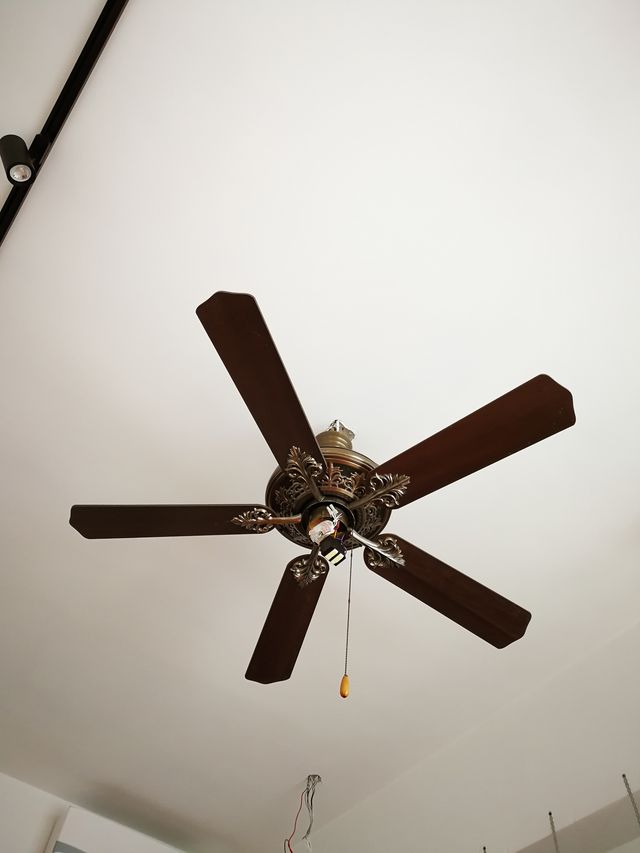
Energy Savings From Replacing Old Ceiling Fans With Energy Star Models
Older ceiling fans, especially those manufactured before the year 2000, often use significantly more electricity than modern Energy Star certified models. Newer ceiling fans use efficient DC motors and aerodynamically optimized blades that move more air using less power. An Energy Star ceiling fan can move air up to 60 percent more efficiently than a standard older model, which means better cooling at a lower energy cost. If your home still has the same ceiling fans from when it was originally built, replacement is one of the best summer upgrades you can make. The cost of a new energy-efficient ceiling fan is recovered over time through lower electric bills and improved cooling performance. Many modern fans also include built-in LED lighting, which further reduces energy use compared to older fans with incandescent bulbs.
Choosing the right ceiling fan size for each room is critical to getting the maximum cooling and energy efficiency from your investment. Rooms smaller than 75 square feet need fans with a blade span of 29 to 36 inches, while rooms up to 144 square feet work best with 36 to 42 inch fans. Larger rooms between 144 and 225 square feet need fans in the 44 to 50 inch range, and great rooms over 225 square feet may need 52 inch fans or larger. Mounting height also matters because fans should hang 8 to 9 feet above the floor for the best airflow distribution. Homes with very tall ceilings often need downrod extensions to bring fans into the proper cooling zone. A licensed electrician can help you choose the right size and mounting style for every room in your home.
Ready to upgrade your old ceiling fans to modern energy-efficient models? Click here for more information about our interior lighting installation service. At Edinson Electrical Solutions, we install ceiling fans with integrated lighting, smart controls, and energy-saving features across the Lehigh Valley. Our electricians help homeowners choose the right size, style, and features to match every room and budget. We handle the wiring, mounting, balancing, and testing so your new fans run quietly and cool effectively from day one. Replacing outdated fans with modern Energy Star models is one of the smartest summer upgrades available for any home.
Reducing Air Conditioner Strain With Counterclockwise Ceiling Fans
Running ceiling fans counterclockwise during summer reduces the workload on your central air conditioning system, which extends the lifespan of expensive cooling equipment. Air conditioners that cycle on and off constantly during heat waves wear out compressors, fans, and other components much faster than units that run moderate cycles. When ceiling fans help maintain a comfortable indoor environment at a higher thermostat setting, the air conditioner runs less often and for shorter periods. That reduction in runtime means fewer repair calls, longer equipment life, and lower replacement costs over the years. Homeowners across Pennsylvania who use ceiling fans strategically often see noticeable reductions in their summer cooling expenses. Protecting your air conditioner with smart cooling habits is an easy way to save money in the long run.
Power demand on hot summer days creates strain not just on your air conditioner but on your entire home electrical system. Major appliances, lighting, and cooling equipment running at the same time can overload older electrical panels or undersized circuits. Ceiling fans help reduce that combined load by lowering air conditioner runtime, which keeps your panel from working at maximum capacity for hours on end. If you live in an older home with original wiring, summer is a smart time to schedule an electrical inspection. A qualified electrician can spot warning signs like overheating breakers, outdated wiring, or undersized service entrances before they become major problems. Proactive inspections during high-demand months prevent failures during the hottest weeks of the year.
Whole-house surge protection is another important consideration for homeowners running ceiling fans, air conditioners, and other electronics throughout summer storm season. Pennsylvania summers bring frequent thunderstorms that can send power surges through your electrical system and damage sensitive devices. A whole-house surge protector installed at the main panel shields every connected appliance, including ceiling fans, smart thermostats, and air conditioning units. This single upgrade can save thousands of dollars in equipment replacement costs after a single severe storm. Combined with proper grounding and surge protection at individual outlets, this layered approach delivers the best possible defense against electrical damage. Investing in surge protection is one of the most overlooked summer electrical upgrades available to local homeowners.
Why You Need Professional Ceiling Fan Installation Before Summer Heat Arrives
A properly installed ceiling fan is a long-term investment in summer comfort, lower energy bills, and a safer home electrical system. Cutting corners on installation often leads to wobbling fans, weak airflow, electrical hazards, and the kind of frustration no homeowner wants to deal with during a heat wave. Professional installation guarantees that mounting, wiring, and balancing are completed according to current electrical code and manufacturer specifications. Edinson Electrical Solutions has helped families across Whitehall, Allentown, Bethlehem, Easton, and the surrounding Lehigh Valley communities enjoy quieter, cooler homes through expert ceiling fan service. Our licensed and insured electricians take care of every detail so your fans deliver maximum cooling power right when you need it most.
Why You Need Professional Wiring for Every New Ceiling Fan
Ceiling fans are heavier than standard light fixtures and require specially rated electrical boxes that can support the weight and vibration of a moving motor. Standard plastic light fixture boxes are not strong enough and can pull loose from ceiling joists over time. A licensed electrician knows how to identify whether your existing box is fan-rated or needs to be replaced with a metal box anchored to a structural support. This step alone prevents some of the most common ceiling fan failures we see in older homes. Proper box selection also gives the fan a stable foundation that eliminates wobble and reduces wear on the motor.
Wiring a ceiling fan correctly involves more than just connecting power to the motor, especially when the fan includes lighting or smart controls. Most ceiling fans need separate switched circuits for the fan and the light kit, which often requires running additional wiring through the wall and ceiling. Smart ceiling fans frequently need a neutral wire at the switch box, which many older homes do not have. A professional electrician handles these wiring challenges quickly and safely, with full code compliance every step of the way. Trying to wire a ceiling fan without the right skills often results in tripped breakers, flickering lights, or worse.
DIY ceiling fan installation also carries real safety risks, including electrical shock, falling fans, and fire hazards from loose connections. Working overhead with electrical wiring is dangerous even for experienced homeowners, and one mistake can lead to serious injury. Licensed electricians carry insurance, follow established safety protocols, and back their work with warranties that protect you for years. The peace of mind that comes with professional installation is worth far more than the modest cost of hiring a qualified electrician. Edinson Electrical Solutions takes pride in delivering safe, code-compliant ceiling fan installations every single time.

Why You Need Seasonal Electrical Inspections for Summer Comfort
Summer is one of the toughest seasons for residential electrical systems because of high cooling demand, frequent storms, and constant appliance use. A seasonal electrical inspection identifies weak spots before they become emergencies during the hottest weeks of the year. Our electricians check breakers, outlets, wiring, grounding, and service panels for signs of wear, overheating, or code violations. Homes built before modern electrical codes were enacted often have aging components that struggle to handle today’s cooling loads. A thorough inspection gives you a clear picture of system health and any recommended upgrades to prepare for summer.
Ceiling fans are just one piece of a larger electrical system that needs regular professional attention to keep running safely. Older outlets, undersized circuits, missing GFCI protection, and outdated subpanels are common issues we find during summer inspections. Addressing these problems early prevents nuisance breaker trips, equipment damage, and the risk of electrical fires during heavy use. Inspections are particularly important for families adding new ceiling fans, smart thermostats, or air conditioning units to their homes. Knowing your system can handle the load is essential before adding any new high-demand devices.
Pennsylvania summer storms also create risks that make annual inspections even more important for Lehigh Valley homeowners. Lightning strikes, power outages, and surges from grid disturbances can damage wiring, outlets, and connected appliances without warning. An inspection catches storm damage early and verifies that surge protection devices are functioning as intended. Routine professional attention keeps your home safer year after year and protects the investments you have made in modern appliances and electronics. Schedule your summer inspection today to make sure your home is ready for the season ahead.
Why Choose Edinson Electrical Solutions for Your Ceiling Fan Installation
Edinson Electrical Solutions is a family owned and operated local business serving Hokendauqua, Whitehall, Allentown, Bethlehem, and the wider Lehigh Valley with reliable electrical service. Our team is licensed and insured in the State of Pennsylvania, with every job backed by a lifetime craftsmanship warranty. We approach every ceiling fan installation, electrical repair, and panel upgrade with the same commitment to safety, quality, and customer satisfaction. Financing is available through Synchrony for homeowners planning larger upgrades or whole-home electrical improvements. Our reputation across the Lehigh Valley is built on consistent five star service from the first phone call to the final inspection.
We treat every home like our own, taking time to explain options, answer questions, and recommend solutions that fit your budget and lifestyle. Code-compliant work built for long-term reliability is the standard on every project, from a single ceiling fan to a full service upgrade. Our electricians stay current on the latest products, smart home technology, and energy efficiency upgrades available to homeowners. Dedicated to providing five star service every time means we never cut corners and never leave a job unfinished. The Edinson team is proud to be the trusted local electrician for families across our community.
Ready to stay cool, save money, and feel confident in your home electrical system this summer? Call Edinson Electrical Solutions today at (484) 898-7788 to schedule your ceiling fan installation, electrical inspection, or summer service appointment. Our friendly team is standing by to answer your questions, provide upfront pricing, and get you on the schedule quickly. From counterclockwise ceiling fans to whole-home surge protection, we deliver the expert electrical service Lehigh Valley families rely on year after year.