
How to Tell If Your Electrical Panel Needs an Upgrade
If you live in Allentown, PA, there’s a good chance your home is older than your car, your TV, and most of the appliances you use every day. The Lehigh Valley has a rich stock of historic housing, and while those homes have character that newer construction can’t match, they also tend to come with electrical systems designed for a very different era. Back when many of these panels were installed, families ran a refrigerator, a few lamps, and maybe a radio. Today, the same homes are powering air conditioners, electric ovens, gaming computers, multiple TVs, smart appliances, and increasingly, electric vehicles.
The electrical panel is the heart of your home’s electrical system, and when it can’t keep up with modern demand or starts showing its age, the consequences range from annoying to genuinely dangerous. The good news is that a failing panel rarely fails silently. It gives off warning signs, sometimes obvious and sometimes subtle, that something is wrong long before a serious problem develops. At Edinson Electrical, we’ve inspected and upgraded panels in homes across Allentown and the surrounding Lehigh Valley, and we want to share the signs you should never ignore.
What Your Electrical Panel Actually Does
Before getting into the warning signs, it helps to understand what your electrical panel actually does. The panel, sometimes called a breaker box or load center, is the central distribution point where electricity from the utility company enters your home and gets divided among the various circuits that power your lights, outlets, and appliances. Each circuit is protected by a breaker that’s designed to trip and cut off power if the circuit draws more current than it can safely handle.
A properly functioning panel keeps electricity flowing safely and reliably throughout your home, protects against fires caused by overloaded wiring, and provides enough capacity to handle everything you plug in. When a panel is too small, too old, or made by a manufacturer with a poor safety record, it can no longer do those jobs reliably, and that’s when problems start showing up.
Why Panel Upgrades Matter for Allentown, PA Homes
Many homes in Allentown and the surrounding Lehigh Valley were built decades ago, when electrical demands were a small fraction of what they are today. A home built in the 1950s or 1960s might still have its original 60 or 100 amp service, panels from manufacturers that are no longer in business, and circuits that simply weren’t designed to handle modern loads. Even homes from the 1970s and 1980s often have panels that are reaching the end of their useful life.
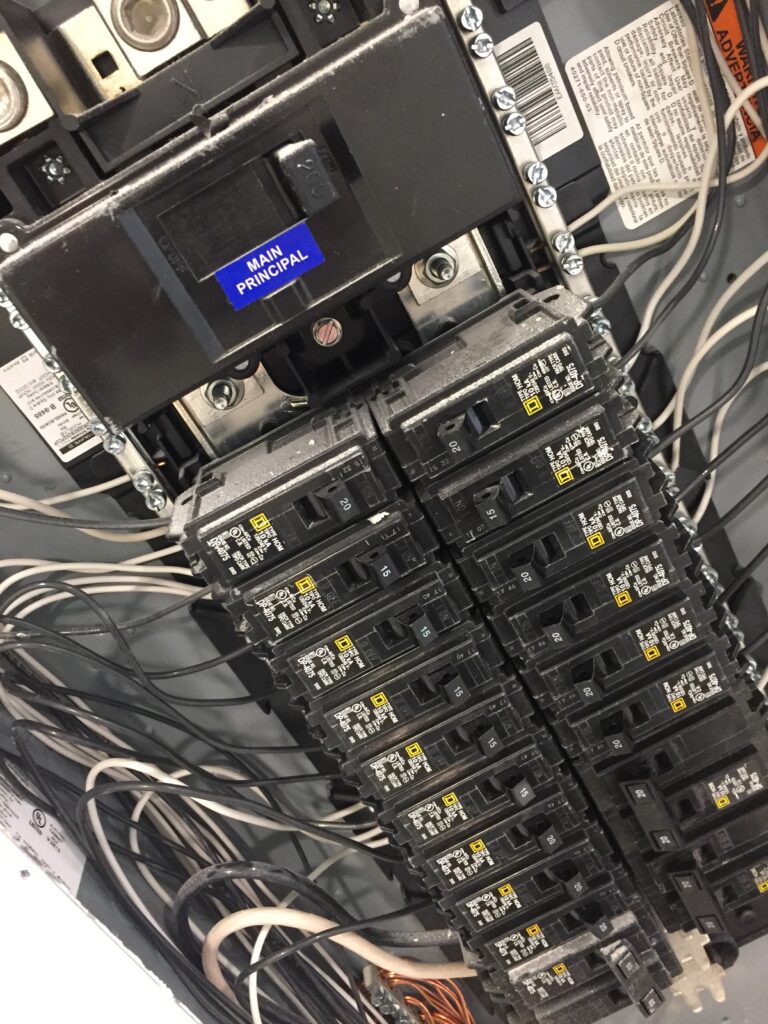
Upgrading an outdated panel isn’t just about convenience. It’s about safety, capacity, and peace of mind. A modern 200 amp panel from a reputable manufacturer can handle whatever you throw at it, from a heat pump to an electric range to an EV charger in the garage. Upgrading also brings your electrical system into compliance with current codes, which matters for insurance, home value, and the safety of everyone in the home. With that in mind, here are the warning signs that your panel may need attention sooner rather than later.
Warning Sign #1: Breakers That Trip Frequently
Breakers exist to trip. That’s their job, and an occasional trip is nothing to worry about. The problem starts when breakers trip frequently, especially on the same circuit, or when they trip with loads that shouldn’t be overwhelming a properly functioning system. If you can’t run the microwave and the toaster at the same time without losing power, if your hair dryer trips the bathroom circuit every morning, or if certain breakers seem to flip for no apparent reason, your panel is telling you something.
Frequent trips can indicate overloaded circuits, failing breakers, or a panel that simply doesn’t have enough capacity to support modern living. In some cases, the breakers themselves wear out over time and become unreliable. In others, the underlying circuits are drawing more current than they were designed to handle. Either way, repeatedly resetting a tripped breaker without addressing the cause is a recipe for trouble.
Warning Sign #2: Flickering or Dimming Lights
If your lights flicker, dim, or briefly go out when major appliances kick on, your electrical panel may be struggling to deliver consistent power. Some momentary dimming when a large appliance like an air conditioner or refrigerator starts up is normal, but persistent flickering throughout the home is a sign that something is wrong somewhere in the system.
The cause could be a loose connection inside the panel, a worn breaker, an undersized service, or a problem at the main lugs where the utility wires connect to the panel. Loose connections in particular are dangerous because they generate heat and can eventually start a fire. Flickering that affects multiple rooms or coincides with appliance startups deserves a professional inspection promptly, before the underlying problem worsens.
Warning Sign #3: A Warm Panel or Scorched Breakers
Your electrical panel should never feel warm to the touch. If you place your hand on the panel cover and feel heat, or if individual breakers feel warm even when the circuits they protect aren’t carrying significant load, something is seriously wrong inside. Heat is a sign of resistance, and resistance in an electrical panel almost always means a problem that can lead to arcing, melting, or fire.
Open the panel cover only if you know what you’re doing, and look for any signs of scorching, melted plastic, or discoloration around the breakers or the bus bars. Any visible damage means the panel needs immediate attention from a licensed electrician. Heat damage doesn’t fix itself, and a panel showing these signs is one ignored issue away from a serious incident.
Warning Sign #4: Burning Smells Near the Panel
A burning smell coming from your electrical panel is one of the most urgent warning signs you can encounter, and it should never be ignored even briefly. The smell typically resembles burning plastic or burning wires, and it indicates that something inside the panel is overheating to the point of melting insulation or scorching components.
If you notice a burning smell near your panel, shut off the main breaker if you can do so safely and call a licensed electrician immediately. Don’t wait until business hours, don’t try to investigate the panel yourself beyond the initial assessment, and don’t assume the smell will go away on its own. Panels that smell burned have failed in some way, and continuing to draw power through them risks fire damage that can spread through the walls before you ever see flames.
Warning Sign #5: Buzzing, Crackling, or Sizzling Sounds
A healthy electrical panel is silent. You should be able to stand next to it and hear nothing at all, even with major appliances running throughout the home. Any audible noise coming from inside the panel is a warning sign that something needs professional attention.
Buzzing or humming usually indicates a loose connection or a breaker that’s beginning to fail. Crackling or sizzling sounds are more serious and often indicate active arcing, where electricity is jumping across a gap inside the panel. Arcing generates intense heat in tiny pinpoint locations and is one of the most common causes of electrical fires. Any unusual sound from your panel deserves immediate evaluation by a licensed electrician.
Warning Sign #6: Your Home Still Has a Fuse Box
If your Allentown home was built before the 1960s and hasn’t had its electrical system updated, you may still have a fuse box instead of a modern breaker panel. Fuse boxes worked well in their day, but they have several limitations that make them unsuitable for modern electrical demands.
Fuses can only be used once. When a circuit draws too much current, the fuse blows and must be replaced rather than reset. This creates a constant temptation for homeowners to use higher-amperage fuses than the circuit was designed for, which removes the protection the fuse was supposed to provide and turns the wiring itself into a potential fire hazard. Fuse boxes also don’t offer the same level of protection against arc faults and ground faults that modern breakers do, and they typically can’t accommodate the capacity needed for today’s appliances and electronics. If you still have a fuse box, upgrading to a modern panel is one of the most worthwhile electrical investments you can make in your home.
Warning Sign #7: An Outdated or Recalled Panel Brand
Some electrical panels installed in past decades have well-documented safety problems that make them dangerous regardless of how well they appear to be functioning. Federal Pacific Electric (FPE) Stab-Lok panels, common in homes built between the 1950s and the 1980s, are notorious for breakers that fail to trip when they should, leaving circuits unprotected and creating a serious fire risk. Zinsco and Sylvania-Zinsco panels have similar issues with breakers that fuse to the bus bars and fail to operate properly. Pushmatic and Federal Pioneer panels are also frequently flagged by electricians and home inspectors.
If you’re not sure what brand your panel is, look for a label on the panel cover or door. If you find any of these brand names, schedule a professional evaluation. Many insurance companies are now refusing to write or renew policies on homes with these panels, and replacing them is both a safety upgrade and a practical necessity for keeping your home insurable.
Warning Sign #8: 60 or 100 Amp Service in a Modern Home
Modern homes typically need 200 amp electrical service to comfortably power everything a family uses today. If your home has 60 amp service (common in older homes that haven’t been upgraded) or even 100 amp service (common in homes built through the 1970s), you’re likely running at or near capacity all the time. That means more frequent breaker trips, more strain on the panel, and no room to add anything new.
Upgrading to 200 amp service gives you the headroom to add an EV charger, a hot tub, a heat pump, additional kitchen appliances, or any of the other electrical loads that modern life requires. It also reduces stress on every component in your electrical system, which extends the life of your panel and your circuits. For most Allentown homeowners with older service, upgrading to 200 amp panel is well worth the investment.
Warning Sign #9: You’re Adding an EV Charger or Major Appliance
Even if your existing panel has been working fine for years, adding a significant new electrical load can push it past its limits. Level 2 EV chargers, central air conditioning, electric ranges, hot tubs, and whole-home generators all draw substantial current, and your panel needs both the spare capacity and the available breaker slots to handle them safely.
Before installing any of these, have a licensed electrician evaluate your panel and determine whether an upgrade is needed first. In some cases, your existing panel can accommodate the new load with minor adjustments. In others, particularly with older panels or smaller services, an upgrade is essential before the new equipment can be safely installed. Trying to add major loads to a panel that can’t handle them is a recipe for tripped breakers, overheating, and potentially fire.
Warning Sign #10: Insurance Concerns or Failed Inspections
Home insurance companies have become increasingly cautious about older electrical systems, and many will refuse coverage, charge higher premiums, or require upgrades for homes with outdated panels. If your insurance company has flagged your panel during an inspection, asked questions about the brand or age of your electrical system, or requested documentation about your service capacity, take the request seriously.
The same goes for any home inspector who’s identified panel concerns during a sale, refinance, or routine evaluation. Inspectors don’t flag panels lightly, and the issues they identify often point to real safety problems that need to be addressed. Getting ahead of these concerns by upgrading proactively can save you headaches at closing, lower your premiums, and most importantly, protect your home and family from the risks an outdated panel poses every day.
What an Electrical Panel Upgrade Involves
An electrical panel upgrade is a significant project, but it’s a routine one for a qualified electrician. The work typically involves coordinating with the utility company to temporarily disconnect power, installing the new panel and any necessary service equipment, transferring each circuit from the old panel to the new one, updating grounding and bonding to current code, and arranging a final inspection with the local building authority.

Most panel upgrades can be completed in a single day, with power restored the same evening. A reputable electrician will explain the scope of work upfront, pull the necessary permits, perform the upgrade to current electrical code, and leave you with a labeled, documented panel that will serve your home reliably for decades to come. The investment pays off in safety, capacity, insurability, and home value, and it’s one of the most impactful improvements you can make to an older home.
If you’ve recognized any of these warning signs in your own home, don’t put off addressing them. Electrical panels rarely improve with age, and the problems they develop tend to get worse rather than better. At Edinson Electrical, we’ve helped homeowners throughout Allentown and the Lehigh Valley upgrade their electrical systems safely, affordably, and on schedule. We work with all the major modern panel brands, we pull every required permit, and we leave your electrical system fully up to current code.
Our licensed electricians will inspect your existing panel, explain exactly what we find, and walk you through your options without pressure or jargon. Whether you need a simple service evaluation, a full 200 amp upgrade, or anything in between, we’ll provide a transparent quote and complete the work to the highest standards of safety and craftsmanship.
Don’t wait for a tripped breaker, a burning smell, or a failed inspection to force the issue. Contact Edinson Electrical today to schedule a panel inspection and find out exactly where your electrical system stands. A safer, more reliable home is closer than you think, and getting there starts with a single phone call.