
The Difference Between a Subpanel and a Main Panel Explained
If you have ever opened the gray metal box on your wall and wondered what everything inside actually does, you are not alone; the electrical panel is one of the most misunderstood parts of any home. Homeowners often hear the terms main panel and subpanel used together, and the two get confused because they look similar and both hold rows of breakers. The truth is that they serve very different jobs inside your electrical system, and knowing the difference helps you make smart decisions about upgrades, additions, and safety. A main panel is the central hub that receives power from the utility company and sends it out to your home. A subpanel is a smaller distribution point that draws power from the main panel and manages circuits in a specific area. This guide breaks down how each one works, when you need one over the other, and why the wiring rules between them matter so much. By the end, you will understand exactly what sits behind that metal door and why professional installation keeps your family safe. Read on to learn how these two panels work together to power everything you plug in.
What Is a Main Panel and What Is a Subpanel in Your Electrical System
Your electrical system depends on a clear chain of command, and both the main panel and the subpanel play defined roles in that chain. The main panel is where utility power first lands after it travels through your meter, and it holds the main breaker that controls power to your entire house. A subpanel sits downstream from the main panel and receives its power through a dedicated feeder circuit rather than directly from the utility. Think of the main panel as the front door for electricity and the subpanel as a hallway that carries power deeper into a specific zone. Both panels distribute electricity to branch circuits, but only the main panel connects to the outside world. Understanding this relationship is the first step toward understanding why the two are wired so differently. The sections below explain each component in plain terms so you can picture how power moves through your home.
How the Main Panel Works as the Heart of Your Electrical System
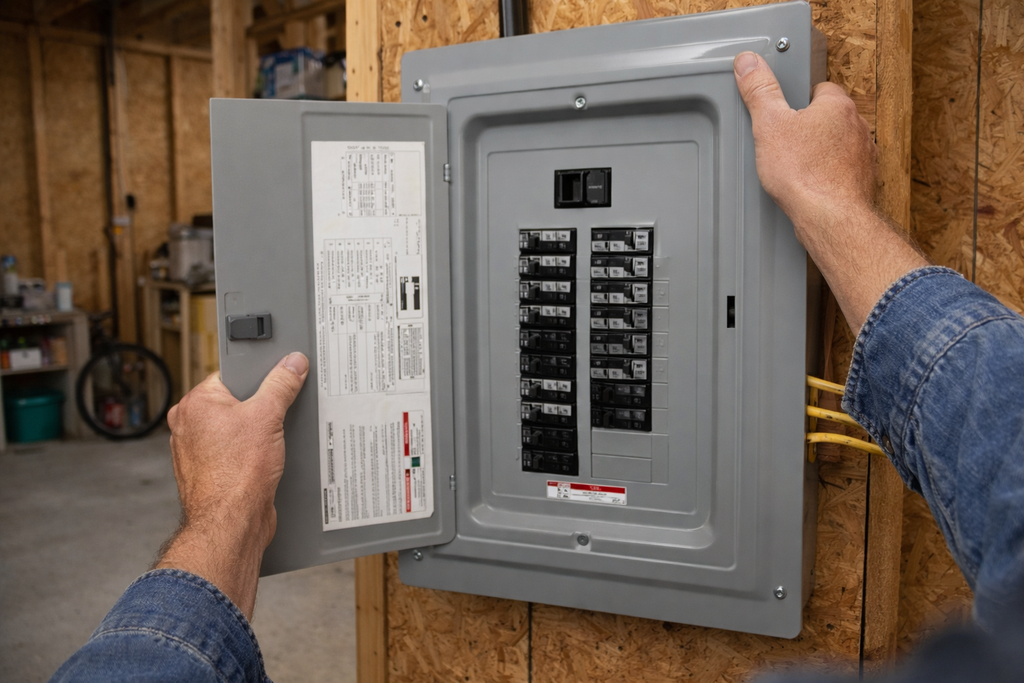
The main panel, sometimes called the main service panel or load center, is the single point where power from the electric utility enters your home and gets divided into usable circuits. Power travels from the transformer on the street, through your meter, and into the main panel where the main breaker acts as the master switch for the entire property. When you flip that main breaker off, every light and outlet in the house loses power, which is why electricians treat it as the primary shutoff during service work. Inside the main panel, two hot bus bars carry the incoming voltage, and individual breakers clip onto those bars to feed each branch circuit. The panel is rated by how much current it can safely handle, and common ratings include 100 amp, 150 amp, and 200 amp service. The rating you have determines how many circuits and how much load your home can support at one time. This central hub is the foundation that everything else in your electrical system relies on.
One feature that sets the main panel apart is the bonding of the neutral and ground connections, which happens at this location and only at this location. In the main panel, the neutral bus bar and the ground bus bar are joined together through a bonding screw or bonding strap that ties them to a common point. This bond gives fault current a safe path back to the source so that breakers can trip quickly when something goes wrong. Grounding electrodes such as ground rods and the connection to your water pipe also terminate at the main panel to keep the whole system referenced to earth. This arrangement is required by the National Electrical Code and is a big reason why panel work belongs in the hands of a licensed professional. Getting the bonding right at the main panel keeps stray voltage off metal surfaces and protects everyone in the home. A mistake here can create shock hazards that stay hidden until someone gets hurt.
The main panel also has physical limits that many older homes eventually reach as families add more electronics, appliances, and technology. Every panel has a set number of breaker slots, and once those slots fill up, you cannot simply add more circuits without a plan. A panel that is overloaded may trip breakers often, feel warm to the touch, or struggle to keep up with modern demand. When this happens, homeowners generally have two paths forward, and both involve a professional evaluation of the existing service. One option is a full main panel upgrade to a higher amperage and more slots, and the other is adding a subpanel to expand capacity in a targeted way. If your panel feels stretched thin, our team can help you weigh the options; you can start by visiting our electrical panel installation service to see how we handle these projects. A well planned main panel keeps your home ready for whatever you plug in next.
How a Subpanel Extends Your Electrical System
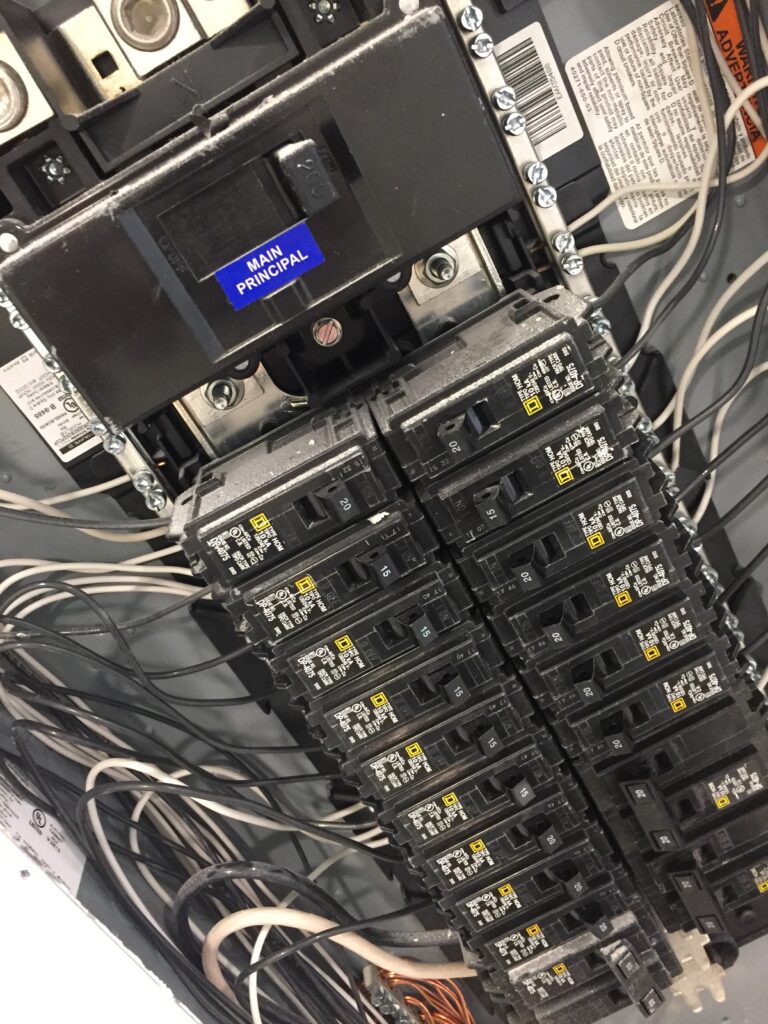
A subpanel is a secondary breaker box that receives its power from the main panel instead of directly from the utility, and it acts as a local distribution point for a defined area. Electricians install subpanels when the main panel runs out of space or when a particular part of the property needs its own cluster of circuits. Common places for a subpanel include a detached garage, a finished basement, a home addition, a workshop, or an area serving a pool or hot tub. The subpanel connects to the main panel through a feeder breaker and a set of feeder conductors sized to carry the expected load. Because the subpanel sits closer to the circuits it serves, it can reduce the length of individual wire runs and make future changes easier to manage. This targeted approach keeps related circuits grouped together in one convenient location. A subpanel does not replace the main panel; it works as a helpful extension of it.
The wiring rules for a subpanel differ from the main panel in one critical way that trips up many do it yourself attempts. In a subpanel, the neutral bus and the ground bus must be kept separate and isolated from each other, which is the opposite of what happens in the main panel. The bonding screw that ties neutral to ground is removed or left out of the subpanel entirely so that neutral current cannot travel on the ground path. To make this separation work, the feeder that supplies the subpanel must contain four conductors: two hot wires, one neutral wire, and one dedicated ground wire. This four conductor setup keeps the grounding system safe and code compliant across both panels. When installers skip this step and bond the subpanel like a main panel, they create a dangerous condition where ground wires and metal boxes can carry current. This single detail is one of the most common and most serious wiring errors found during inspections.
A subpanel also offers real convenience for larger properties and busy households that need organized power. Having a subpanel in a garage or workshop means you can shut off power to that space without affecting the rest of the house, which is handy during repairs or projects. Grouping circuits by area also makes troubleshooting faster because you know exactly which panel controls which part of the property. For remote structures, a subpanel reduces voltage drop by shortening the distance electricity has to travel to reach heavy loads like tools or equipment. This makes a subpanel a smart choice for garages, additions, and outbuildings that draw significant power. If you are planning a project like this, our electrical subpanel installation service covers the full process from load calculation to final inspection. A properly installed subpanel expands your electrical system without overloading your main service.
The Key Difference Between a Subpanel and a Main Panel in Your Electrical System
The clearest difference between a subpanel and a main panel comes down to the source of power, because the main panel connects to the utility and the subpanel connects to the main panel. The main panel is the only box in your home that carries the main service disconnect and ties directly to the meter and the grounding electrode system. A subpanel receives power secondhand through a feeder and has no direct link to the utility or to the earth grounding rods. This hierarchy matters because it defines which panel controls the whole home and which one controls only a portion of it. When power needs to be shut off for the entire property, that job belongs to the main panel every time. Recognizing this order of operations helps you understand what each breaker actually protects. The main panel is the source, and the subpanel is the branch that grows from it.
The second major difference lies in how each panel handles neutral and ground, and this is where the technical rules become safety rules. The main panel bonds neutral and ground together to create the primary fault path, while the subpanel keeps them fully separated. This separation in the subpanel prevents neutral current from flowing on ground wires, metal conduit, and equipment enclosures where it does not belong. If both panels were bonded the same way, you could end up with parallel neutral paths that energize surfaces people touch every day. The four wire feeder between the two panels exists specifically to support this separation and keep the system safe. These rules are not optional preferences; they are code requirements enforced during every electrical inspection. Getting the neutral and ground handling correct is what separates a safe installation from a hazardous one.
The third difference involves capacity and purpose, because the main panel sets the total limit for your home while the subpanel simply carves out a share of that limit. Your main panel amperage represents the ceiling for how much power your entire property can draw at once, and a subpanel cannot exceed the capacity that feeds it. When you add a subpanel, you are not creating new power; you are redistributing existing capacity to a new area in an organized way. This is why a proper load calculation must come first, since adding a subpanel to a main panel that is already maxed out solves nothing. In some cases, the right answer is a main panel upgrade before a subpanel is even considered. A skilled electrician evaluates both together to build a system that has room to grow. Understanding capacity keeps you from adding equipment your service cannot actually support.
When You Need a Subpanel Versus a Main Panel Upgrade
Deciding between a subpanel and a main panel upgrade depends on what problem you are trying to solve, and the two solutions address different needs. Some homes need more total capacity because the electrical demand of the household has outgrown the existing service rating. Other homes have plenty of capacity but have simply run out of physical breaker slots or need power concentrated in a new area. A main panel upgrade increases the total amount of power your home can handle, while a subpanel expands where that power can be distributed. Knowing which situation applies to you prevents wasted money and wasted effort on the wrong fix. The following sections walk through the signs that point toward each option so you can plan with confidence. A professional load calculation always confirms the right path before any work begins.
Signs You Need a Main Panel Upgrade Instead of a Subpanel
A main panel upgrade becomes necessary when your home demands more total power than your current service can safely deliver, and the warning signs tend to show up during everyday use. Frequent breaker trips that happen even with normal appliance use often point to a service that is undersized for modern living. Lights that dim when the air conditioner or dryer kicks on can signal that your main panel is straining under the combined load. Many older homes still run on 60 amp or 100 amp service that was fine decades ago but falls short today. As families add electric vehicles, heat pumps, and larger appliances, the demand on the main panel climbs well past its original design. When the total load approaches or exceeds the panel rating, no subpanel can fix the shortage because the source itself is limited. In these cases, upgrading the main panel to 200 amp service is the correct and lasting solution.
Age and condition also drive the need for a main panel upgrade, since older equipment can become a safety liability over time. Certain vintage panel brands are known for failing to trip properly during a fault, and insurance companies increasingly flag them during home inspections. Rust, scorch marks, a burning smell, or a panel that feels warm are all serious signals that should never be ignored. Panels with corroded bus bars or loose connections can create heat and arcing that raise the risk of fire. A main panel upgrade replaces this aging hardware with modern breakers that respond quickly and reliably to overloads and faults. If your panel shows any of these red flags, prompt attention protects your home and your family. You can learn more about this process through our electrical service upgrade service, which covers everything from permits to final testing.
Planning for the future is another strong reason to choose a main panel upgrade rather than patching the problem with a subpanel. Adding an electric vehicle charger, a hot tub, a pool, central air, or a large addition can push a modest panel past its comfortable limit. Upgrading the main panel first gives you the headroom to add these features without constant breaker trips or safety concerns. A larger service also makes it easier to add subpanels later, since a strong main panel can support multiple distribution points. Homeowners who upgrade proactively avoid the frustration of maxing out their service right after finishing a big project. A professional will calculate your current and future load to recommend the right amperage. Building in extra capacity today saves you from a second upgrade tomorrow.
Situations Where a Subpanel Is the Right Choice
A subpanel is the right choice when your main panel has enough total capacity but lacks the physical space or convenient location for new circuits. If your main panel is out of open breaker slots yet still has capacity to spare, a subpanel adds room for more circuits without a full service upgrade. This is common in homes that have added a few appliances over the years and slowly filled every slot in the main box. Rather than replacing the entire main panel, an electrician can install a subpanel to house the additional breakers. This approach can be more efficient when the main service rating is already adequate for the added load. A load calculation confirms that the existing service can support the new circuits before the subpanel goes in. When space is the only issue, a subpanel is often the smart and economical answer.
Detached structures and remote areas of a property are classic situations that call for a subpanel rather than a bundle of long individual circuits. A garage, workshop, barn, or pool house benefits from having its own subpanel so that all its circuits are managed in one nearby location. Running a single feeder to a subpanel is cleaner and safer than pulling many separate long wire runs across the property. The subpanel also reduces voltage drop for tools and equipment that sit far from the main panel. Having a local shutoff in a detached building adds convenience and safety during maintenance in that space. For garage projects specifically, our garage wiring service often pairs a subpanel with the circuits a workspace needs. A subpanel turns a remote structure into a fully powered and organized space.
Home additions and major remodels frequently rely on a subpanel to keep new circuits organized and easy to service. When you build a new room, finish a basement, or expand your living space, the new area may need several dedicated circuits at once. Placing a subpanel near the new construction keeps those circuits grouped together and shortens the wiring runs to outlets, lights, and appliances. This organization makes future troubleshooting simpler because the added circuits are all in one predictable place. A subpanel in an addition also isolates that section of the home, so power can be shut off there without disturbing the rest of the house. This is why electricians so often recommend a subpanel for large projects that add many circuits. A thoughtfully placed subpanel keeps your expansion clean, safe, and simple to maintain.
How to Decide Between a Subpanel and a Main Panel Upgrade
Deciding between a subpanel and a main panel upgrade starts with an honest look at your total electrical demand versus your available capacity. The core question is simple: do you need more total power, or do you just need more places to put circuits. If your home already trips breakers under normal use or runs on outdated low amperage service, a main panel upgrade addresses the root cause. If your service rating is healthy but your panel is full or your circuits sit far from the main box, a subpanel solves the problem more directly. A licensed electrician performs a load calculation to measure your real usage against your panel rating. This calculation removes the guesswork and points clearly toward the right solution. The best choice always follows the math, not assumptions.
Cost, timeline, and long term plans all factor into the decision alongside the technical load numbers. A main panel upgrade is a larger project that touches the utility connection and usually requires coordination with the power company and a permit. A subpanel is often a more contained project when the main service already has capacity to share. That said, a subpanel added to an overloaded main panel only postpones the real fix and can create safety issues down the road. A good electrician will tell you honestly which option serves your home best rather than pushing the easier job. Weighing these factors together leads to a decision you will be happy with for years. Transparency during this stage builds the trust that good electrical work depends on.
Sometimes the right answer is a combination of both, because a main panel upgrade and a subpanel can work together in one plan. A home that needs both more total power and better circuit organization may benefit from upgrading the main service and then adding a subpanel to a key area. This staged approach builds a strong foundation first and then distributes that power exactly where it is needed. A professional evaluation looks at the whole picture, including future goals like an electric vehicle or a new addition. Planning both pieces at once avoids paying for repeated visits and repeated permits. If you are unsure which route fits your home, our team is ready to walk you through the options. The right combination sets your electrical system up for reliable performance well into the future.
Why You Need a Licensed Electrician for Subpanel and Main Panel Work
Panel work is not a task for guesswork or online tutorials, because both subpanels and main panels involve live power and strict code rules that protect lives. A licensed electrician understands the wiring differences between the two panels, including the critical neutral and ground separation that keeps a subpanel safe. Mistakes at the panel level can cause shocks, fires, and equipment damage that stay hidden until they become emergencies. Permits and inspections exist for good reason, and professional installation ensures your work passes every step. Choosing a qualified electrician gives you peace of mind that the job is done right the first time. The sections below explain why professional work matters and why local homeowners trust our team.
Why Professional Main Panel Installation Protects Your Home
Professional main panel installation protects your home because the main panel ties directly to the utility and to the grounding system that keeps everyone safe. A licensed electrician handles the coordination with the power company, pulls the proper permit, and follows the National Electrical Code at every stage. The bonding of neutral and ground at the main panel must be exactly right, since this connection creates the fault path that trips breakers during a problem. A professional also sizes the service correctly based on a real load calculation rather than a rough guess. This careful approach prevents the overloaded conditions and loose connections that lead to overheating and fire. Trusting this work to a licensed electrician keeps your home safe and your insurance valid.
The stakes with a main panel are high because this single box controls power to your entire property. Working inside a live main panel involves exposure to the incoming service conductors, which remain energized even when the main breaker is off. A trained electrician knows how to work safely around this hazard and how to test that circuits are truly de energized. They also know how to secure the panel properly so that breakers seat tightly and connections stay torqued to specification. These details prevent the arcing and heat buildup that cause many electrical fires. A homeowner attempting this work risks serious injury and code violations that fail inspection. Professional installation removes that risk entirely.
A properly installed main panel also sets the stage for reliable power for years to come. When the service is sized correctly and wired to code, your home handles its daily electrical load without nuisance trips or dimming lights. Quality breakers and clean connections respond quickly to faults and protect the wiring behind your walls. A professional installation includes labeling every circuit clearly so future work is faster and safer. This attention to detail pays off every time you or another electrician opens the panel later. If your main panel needs repair or replacement, our electrical panel repair service can restore safe and steady power. A well built main panel is an investment in the safety of your whole home.
Why Professional Subpanel Installation Matters
Professional subpanel installation matters because the single most common subpanel error is one that inspectors catch and homeowners miss. In a subpanel, the neutral and ground must stay separated, and the feeder must include four conductors to make that separation work. A licensed electrician knows to remove the bonding screw and to land the grounds on their own isolated bus. This detail prevents neutral current from traveling on ground wires and energizing metal surfaces around the subpanel. Skipping this step creates a hidden shock hazard that can go unnoticed for years. Professional installation ensures this critical rule is followed exactly as the code requires.
Sizing the feeder and the subpanel correctly is another reason to rely on a professional for this work. The feeder breaker in the main panel, the feeder conductors, and the subpanel rating all have to match the expected load. An electrician performs a load calculation to confirm that the main panel can support the new subpanel without overloading. They also select the proper wire size to prevent voltage drop and overheating along the feeder run. These calculations protect both the new circuits and the existing service from being pushed past their limits. Getting the sizing right is the difference between a subpanel that works reliably and one that causes problems. A professional builds in the right capacity from the start.
A professionally installed subpanel also comes with the permits and inspection that give you confidence and protect your home value. Permitted work creates a record that the installation met code and passed a qualified inspector. This documentation matters when you sell your home or file an insurance claim. A licensed electrician also grounds and bonds the subpanel correctly relative to the main panel, keeping the entire system safe. For repairs to an existing subpanel that is acting up, our electrical subpanel repair service can diagnose and fix the issue quickly. Professional installation and repair keep your subpanel safe, legal, and dependable. That combination is exactly what every homeowner deserves.
Why Choose Edinson Electrical Solutions for Your Panel Work
Edinson Electrical Solutions is a family owned and operated local business that treats every panel job with the care it deserves. We are licensed and insured in the State of Pennsylvania, and we back every job with a lifetime craftsmanship warranty. Our team performs code compliant work built for long term reliability, so your main panel or subpanel keeps your home safe for years. We serve homeowners across the Lehigh Valley, including Hokendauqua, Allentown, Bethlehem, Whitehall, and the surrounding communities. When you call us, you get honest advice about which solution fits your home rather than a rushed upsell. Our goal is a five star service experience on every single visit.
We know that panel work can feel intimidating, so we take the time to explain your options in plain language before we begin. Our electricians perform a full load calculation to determine the right path for your home and your budget. We handle the permits, coordinate with the utility when needed, and make sure every installation passes inspection. Financing is available through Synchrony, which makes larger projects like a main panel upgrade easier to manage. From the first phone call to the final walkthrough, we keep you informed at every step. This transparency is a core part of how we do business.
Choosing a local team that stands behind its work brings real peace of mind to a project this important. We show up on time, keep your home clean, and treat your property with respect throughout the job. Every circuit we install is labeled clearly, and every connection is torqued to specification for lasting safety. Because we live and work in the same communities we serve, our reputation matters to us on every job. If you need a subpanel, a main panel upgrade, or a repair, we are ready to help you get it done right. Call Edinson Electrical Solutions at (484) 898-7788 or email info@edinsonelectrical.com to schedule your panel evaluation today.