
What to Expect During a Whole Home Electrical Inspection
A whole home electrical inspection gives you a complete picture of how safe and reliable your electrical system actually is, and most homeowners are surprised by how much it covers. The process looks at everything from your main service panel down to individual outlets, switches, and the wiring hidden inside your walls. A licensed electrician follows a structured checklist built around the National Electrical Code, so nothing important gets skipped along the way. This matters because electrical problems rarely announce themselves before they become dangerous, and a flickering light or a warm outlet can point to issues that took years to develop. Summer puts extra strain on home electrical systems as air conditioners, pool pumps, and dehumidifiers all run at once, which makes this a smart season to schedule a check. By the time the inspection wraps up, you will have a clear report of what is working, what needs attention, and what poses a real safety risk. If you have been putting it off, understanding the steps ahead of time makes the whole experience easier to plan for. Knowing what the electrician will examine also helps you ask better questions and get more value out of the visit.
What Happens During a Whole Home Electrical Inspection
During a whole home electrical inspection, the electrician moves methodically through your property and tests the major systems that carry and distribute power. The visit usually starts at the main service panel, then works outward to circuits, outlets, fixtures, and safety devices throughout the house. Each component gets checked against current code standards and against the conditions specific to your home, such as its age, square footage, and electrical demand. The electrician documents findings as they go, noting both immediate hazards and items that should be addressed over time. Expect the full process to take anywhere from one to three hours depending on the size of your home and the complexity of its wiring. Older homes in the Lehigh Valley often take longer because they may contain outdated wiring methods or panels that need closer examination. The goal is a thorough assessment, not a quick glance, so a careful inspection is a good sign rather than a slow one.
The Electrical Panel Review in a Whole Home Electrical Inspection
The electrical panel review sits at the heart of any whole home electrical inspection because the panel is where every circuit begins. Your electrician opens the panel cover and examines the breakers, the bus bars, the grounding connections, and the overall condition of the wiring inside. They look for signs of overheating, such as discoloration, melted insulation, or a burnt smell, since these point to loose connections or overloaded circuits. Double-tapped breakers, which happen when two wires share a single breaker meant for one, are a common finding and a frequent code violation. The electrician also checks that the panel amperage matches your household demand, because a 100 amp panel may struggle in a home that now runs central air, an EV charger, and modern appliances. Proper labeling of each circuit gets verified too, so you know exactly what each breaker controls during an emergency.
Certain panel brands raise immediate red flags during this part of the inspection, and a good electrician knows them on sight. Federal Pacific Electric and Zinsco panels, for example, have well documented histories of breakers that fail to trip when they should, which leaves circuits unprotected against overloads. If your home still has one of these panels, the electrician will explain the risk and recommend replacement rather than repair. They will also inspect for proper bonding and grounding inside the panel, since a missing or corroded ground connection removes a critical layer of protection from your whole system. Moisture intrusion, rust, and rodent damage all get noted, because any of these can compromise how the panel performs. The condition of the panel often tells the electrician a great deal about how the rest of the system was installed and maintained.
If the inspection reveals a panel that is undersized, damaged, or built by a problematic manufacturer, an upgrade is usually the recommended path forward. A modern panel gives you more circuit capacity, better breaker protection, and room to grow as your electrical needs expand. Need a new panel installed? Click here for our electrical panel installation service. The electrician will walk you through the findings in plain language so you understand why a recommendation was made and how urgent it is. Some issues can wait a few months while others should be handled right away, and a clear report helps you prioritize. You leave this part of the inspection knowing the true condition of the most important component in your electrical system.

The Outlet and Wiring Check in a Whole Home Electrical Inspection
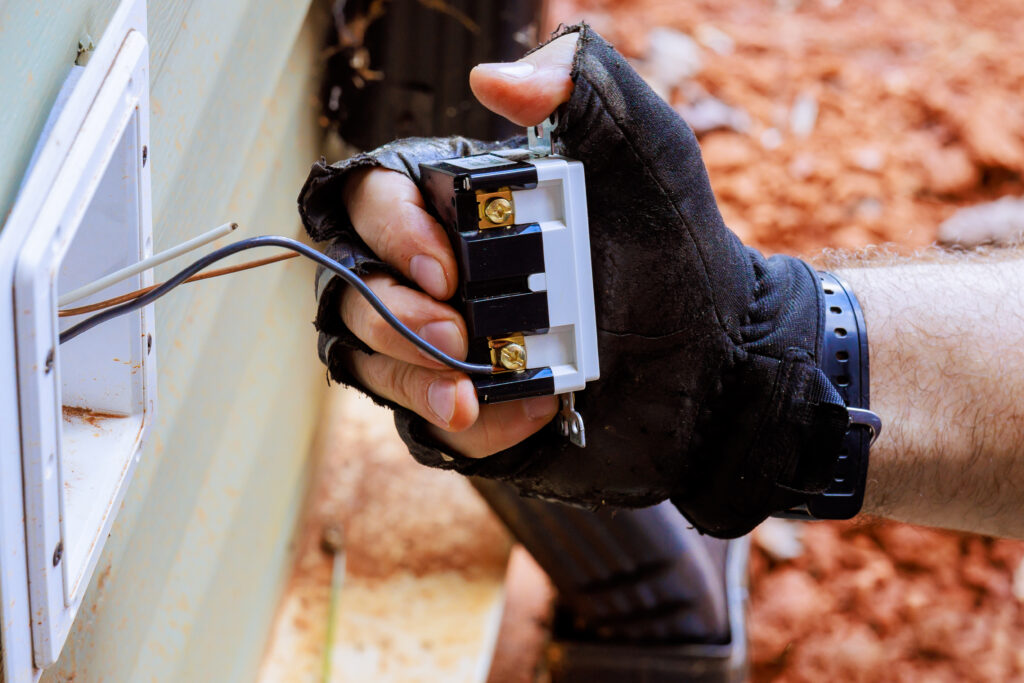
The outlet and wiring check during a whole home electrical inspection covers the parts of the system you touch and use every single day. The electrician tests a representative sample of outlets and switches throughout the house using a circuit tester that detects common faults. One frequent problem is reverse polarity, where the hot and neutral wires are connected backward, which leaves devices energized even when they appear to be off. Open grounds, where an outlet lacks a proper ground connection, also show up regularly in older homes and create shock and fire risk. The electrician feels each outlet plate for warmth and looks for scorch marks, loose fit, or cracked covers that signal trouble behind the wall. They also confirm that the right type of outlet is installed in the right location, since kitchens, bathrooms, and outdoor areas have specific requirements.
Behind the walls, the wiring itself receives close attention, and the home’s age strongly shapes what the electrician expects to find. Homes built before the 1950s may still contain knob and tube wiring, which has no ground conductor and degrades as its cloth insulation dries out and crumbles. Properties from the 1960s and 1970s sometimes have aluminum branch wiring, which expands and contracts in ways that loosen connections and create heat at terminations. Both of these wiring types are flagged because they raise insurance concerns and present genuine fire hazards when left unaddressed. The electrician inspects visible wiring runs in the basement, attic, and crawlspaces for proper support, correct connections inside junction boxes, and any signs of amateur work. Splices made outside of an approved box, exposed conductors, and undersized wire all get documented during this stage.
When the outlet and wiring check turns up problems, the fixes range from simple to substantial depending on what is found. A single miswired outlet might take minutes to correct, while a home full of ungrounded receptacles or deteriorating wiring calls for a larger plan. Want reliable wiring repairs done right? Click here for our electrical repair service. The electrician will explain which findings are cosmetic, which affect function, and which threaten safety, so you can make informed decisions. Many homeowners choose to address the most dangerous items first and schedule the rest as their budget allows. A documented inspection also gives you proof of the system’s condition, which helps during a home sale or an insurance review.
The Safety Device Test in a Whole Home Electrical Inspection
The safety device test in a whole home electrical inspection confirms that the equipment designed to protect you actually works as intended. Ground fault circuit interrupters, known as GFCIs, are required in areas where water and electricity meet, such as kitchens, bathrooms, garages, and outdoor outlets. The electrician presses the test button on each GFCI and uses a tester to verify that the device cuts power within milliseconds of detecting a fault. A GFCI that fails to trip is no longer protecting that circuit, and replacement is straightforward and inexpensive compared to the risk it removes. Arc fault circuit interrupters, or AFCIs, get checked as well, since these breakers detect dangerous arcing that standard breakers miss entirely. Both device types have become standard code requirements, and older homes frequently lack them in locations where they are now mandatory.
Smoke detectors and carbon monoxide detectors often fall within the scope of a thorough inspection because they tie directly into home electrical safety. The electrician notes the age and placement of these devices, since detectors more than ten years old lose sensitivity and should be replaced. Hardwired detectors that share a circuit and an interconnect wire offer better protection than standalone battery units, and the inspection confirms they are functioning. Surge protection at the panel level also comes up during this stage, especially given how summer thunderstorms in eastern Pennsylvania send voltage spikes through the grid. A single surge can destroy expensive electronics, HVAC control boards, and appliance circuit boards in an instant. Whole home surge protection installed at the panel guards everything downstream against these events.
Protecting your home from surges is one of the most cost effective upgrades an inspection can recommend, and summer is the ideal time to install it. Want to shield your home from power surges? Click here for our whole house surge protection service. The electrician will explain how a panel mounted surge protective device works alongside point of use protectors at sensitive outlets. They will also verify that your grounding system is solid, because surge protection depends entirely on a proper path to ground. When every safety device passes its test, you gain real confidence that your home is prepared for the failures and faults that electrical systems eventually face. That peace of mind is one of the strongest reasons to schedule an inspection in the first place.
How to Prepare for a Whole Home Electrical Inspection
Preparing for a whole home electrical inspection takes very little effort, but a few simple steps help the electrician work faster and find more. Most of the preparation involves giving the technician clear access to the equipment they need to examine and gathering any information you already have about the home. The more your electrician can see and reach, the more thorough the inspection becomes, and the fewer return trips you need. A little planning also keeps the cost predictable, since the electrician spends time inspecting rather than moving boxes or hunting for the panel. Homeowners who prepare well almost always get a more detailed and useful report at the end. The steps below cover the most helpful things you can do before the visit.
Clearing Access Before a Whole Home Electrical Inspection
Clearing access before a whole home electrical inspection starts with the main electrical panel, which is the single most important spot in the entire visit. Panels are often located in basements, garages, utility closets, or laundry rooms, and over time storage tends to pile up in front of them. The electrician needs roughly three feet of clear space in front of the panel to open it and work safely, which is also the clearance the code requires. Move shelving, boxes, laundry baskets, and any other items that block the panel door well before the appointment. If your panel is in a finished space with furniture nearby, shift those pieces away so the technician can stand and work comfortably. Clear access here directly affects how much of the panel the electrician can inspect and how confident they can be in their findings.
Beyond the panel, think about the other areas where wiring and electrical components live throughout your home. Attics, crawlspaces, and basement ceilings hold a great deal of visible wiring, and the electrician benefits from being able to reach these spaces without obstacles. Clear a path to your water heater, furnace, and any subpanels, since these connection points reveal a lot about the system’s condition. Outdoor disconnects, meter bases, and exterior outlets should be free of overgrown plants, stored equipment, or debris that hides them from view. If you have outbuildings, sheds, or a detached garage with electrical service, mention them so the electrician plans enough time. The easier it is to physically reach each component, the more complete your inspection will be.
Pets and parking are small details that still make the day go smoothly for everyone involved. Secure dogs and cats in a room that the electrician will not need to enter, since open panels and live circuits are no place for a curious animal. Leave a clear parking spot near the entrance so the technician can carry tools and equipment in and out without difficulty. Make sure someone of legal age is home for the duration, because the electrician may need to ask questions or confirm access to a locked area. Turning on the lights in dim spaces like basements and crawlspaces ahead of time also helps the inspection move along. These small courtesies free the electrician to focus entirely on the work that matters.
Documenting Problems Before a Whole Home Electrical Inspection
Documenting problems before a whole home electrical inspection gives your electrician a head start on the issues you already notice. Walk through your home in the days before the appointment and write down anything that seems off about your electrical system. Note lights that flicker, dim, or buzz, since these often point to loose connections or overloaded circuits. Pay attention to outlets that feel warm, switches that spark, or breakers that trip repeatedly without an obvious cause. Each of these symptoms tells the electrician where to look more closely, and a written list makes sure nothing gets forgotten during the visit. The more specific your notes, the faster the electrician can connect a symptom to its root cause.
Gathering paperwork about your home’s electrical history adds another layer of value to the inspection. Permits, prior repair invoices, and records of past upgrades all help the electrician understand what work has been done and by whom. If you know the age of your panel, when the home was last rewired, or which rooms have been renovated, share that information. Homeowners who recently bought their property can pass along the inspection report from the sale, which often flags electrical concerns. Even a rough timeline of the home’s age and major renovations helps the electrician set expectations for what they might find. This context turns a general inspection into one tailored to your specific home.
Think about your future plans as well, because they shape the recommendations the electrician makes. If you intend to add an EV charger, finish a basement, install a hot tub, or upgrade to central air, mention it during the visit. Planning a major addition? Click here for our home addition wiring service. Knowing your goals lets the electrician evaluate whether your current panel and wiring can handle the added load. They can then recommend upgrades that prevent problems before they happen rather than fixing them after the fact. Sharing your plans makes the inspection forward looking and helps you avoid paying twice for work that could have been combined.
Questions to Ask During a Whole Home Electrical Inspection
Questions to ask during a whole home electrical inspection turn the visit from a one way report into a useful conversation. Start by asking the electrician to explain the most urgent finding and why it earned that ranking. A good technician will describe the risk in plain terms, tell you what could happen if it goes unaddressed, and give you a realistic timeline. Ask which items are safety hazards versus which are code updates that improve the system without representing immediate danger. This distinction helps you separate the work that cannot wait from the work that can be scheduled at your convenience. Understanding the reasoning behind each recommendation makes you a more confident decision maker.
Cost and scheduling questions deserve attention too, since they shape how you act on the inspection results. Ask for a written estimate on any recommended repairs or upgrades so you can compare and plan your budget. Find out which fixes can be bundled together to save on labor, because combining related work often costs less than handling each item separately. Ask about financing options if a larger project like a panel upgrade lands on your list, since spreading the cost can make essential work feasible. Edinson Electrical Solutions offers financing through Synchrony, which helps many homeowners move forward on important safety work. Clear answers on cost remove the uncertainty that often causes people to delay repairs they know they need.
Finally, ask the electrician about maintenance habits that keep your system healthy between inspections. Find out how often you should test your GFCI outlets and smoke detectors, and what warning signs should prompt a service call. Ask which upgrades would deliver the most safety benefit for your particular home, given its age and how you use it. A knowledgeable electrician is glad to share practical advice that helps you protect your investment over the long term. Take notes during these answers so you can refer back to them after the visit ends. The questions you ask today shape how well your electrical system serves you for years to come.
Why You Need a Professional Whole Home Electrical Inspection
A professional whole home electrical inspection is one of the smartest investments you can make in your home’s safety and value. Electrical fires remain a leading cause of home fires across the country, and many of them start from problems an inspection would have caught early. A trained electrician sees hazards that a homeowner walks past every day without noticing, from a hidden double tap to a failing breaker. The summer season adds urgency, since heavy air conditioning and storm activity push your system harder than any other time of year. An inspection gives you facts instead of guesses, and those facts let you act before a small issue becomes an expensive emergency. For homeowners across the Lehigh Valley, scheduling one is a practical step toward lasting peace of mind.
A Whole Home Electrical Inspection Protects Your Family and Property
A whole home electrical inspection protects your family by finding the hazards that cause shocks, burns, and fires before they harm anyone. Faulty wiring and overloaded circuits often work fine for years until the day they suddenly fail, usually without warning. An inspection identifies these weak points while they are still easy and affordable to correct. The protection extends to your belongings as well, since surge events and electrical faults destroy electronics, appliances, and HVAC equipment in seconds. Catching a problem early almost always costs far less than repairing the damage it causes when ignored. The safety of the people under your roof is reason enough to make an inspection a regular habit.
The financial protection a professional inspection provides reaches well beyond preventing fires and damaged equipment. A documented inspection report supports your home’s value during a sale and reassures buyers that the electrical system is sound. Insurance companies increasingly ask about older wiring and panel types, and an inspection gives you the documentation they want. Identifying issues before they escalate keeps repair costs predictable instead of letting them balloon into emergency calls. Many homeowners find that a single inspection pays for itself by catching one expensive problem early. Protecting your property and your finances go hand in hand when your electrical system is properly maintained.
There is also real comfort in knowing exactly where your home stands rather than living with uncertainty. After the inspection, you hold a clear report that tells you what is safe, what needs attention, and what can wait. That knowledge removes the nagging worry that comes from wondering if a flickering light or a warm outlet means trouble. You can plan repairs on your own timeline instead of reacting to a sudden failure at the worst possible moment. A whole home inspection turns a hidden system into one you understand and control. That confidence is something every homeowner deserves.

A Whole Home Electrical Inspection Keeps You Code Compliant
A whole home electrical inspection keeps you code compliant by measuring your system against the standards electricians follow today. The National Electrical Code updates regularly, and a home built decades ago rarely meets every current requirement. An inspection identifies exactly where your home falls short, from missing GFCI protection to outdated grounding methods. Bringing these items up to code does more than satisfy a rulebook, because each code requirement exists to prevent a specific kind of accident. Compliance also matters when you sell, renovate, or file an insurance claim, since out of date work can complicate all three. Knowing your compliance status puts you in a position to fix gaps on your terms.
Code compliance becomes especially important before any major electrical project on your property. Adding a circuit, upgrading a panel, or installing new equipment requires the existing system to meet certain baseline standards. An inspection reveals whether your home is ready for that work or needs preliminary upgrades first. Thinking about adding an EV charger this summer? Click here for our EV charger installation service. Handling compliance issues up front prevents surprises and delays once a larger project is underway. A compliant system is also a foundation you can build on with confidence for years.
Working with a licensed electrician ensures that any code corrections are done correctly and documented properly. Amateur fixes often create new violations even as they appear to solve a problem, which defeats the purpose of the work. A professional pulls the right permits, follows the current code, and leaves you with paperwork that proves the job was done to standard. This documentation protects you during inspections, sales, and insurance reviews down the road. Code compliance handled by a qualified electrician gives your home a clean and defensible electrical record. That record is an asset every time your property changes hands or undergoes new work.
Why Choose Edinson Electrical Solutions for Your Whole Home Electrical Inspection
Edinson Electrical Solutions brings honest, code compliant work to every whole home electrical inspection we perform across the Lehigh Valley. We are a family owned and operated local business based in Hokendauqua, and we treat your home with the same care we would give our own. Our electricians are licensed and insured in the State of Pennsylvania, so you can trust that every inspection meets professional standards. We explain our findings in plain language, never pressure you toward unnecessary work, and prioritize the repairs that truly protect your family. Our commitment to a five star service every time means we slow down, do the job right, and stand behind it. That ethos guides everything we do, from the first phone call to the final report.
When your inspection reveals work that needs doing, we make the next steps simple and affordable. We back every job with a lifetime craftsmanship warranty, which reflects the confidence we have in our work. Financing is available through Synchrony, so a panel upgrade or major repair never has to wait because of cost. Our code compliant work is built for long term reliability, not quick fixes that fail a few years later. We serve communities including Allentown, Bethlehem, Easton, Whitehall, Emmaus, and the surrounding towns throughout the region. Local homeowners count on us because we show up, do quality work, and keep our promises.
Scheduling your whole home electrical inspection with Edinson Electrical Solutions is the easy first step toward a safer home. Want a thorough inspection from a licensed local team? Click here for our electrical inspection service. You can also reach us directly at (484) 898-7788 or by email at info@edinsonelectrical.com to set up a visit. We will walk your home, test your system, and hand you a clear report you can act on with confidence. With financing, a lifetime warranty, and a true commitment to five star service, we make protecting your home straightforward. Reach out today and let our family business take care of yours.