
How to Tell if Your Pool Bonding and Grounding Is Up to Code
Pool bonding and grounding are two of the most important safety systems protecting swimmers from electrical shock, yet many homeowners in the Lehigh Valley have no idea what condition their pool’s electrical system is actually in. Bonding ties all metal parts of the pool together so they share the same electrical potential, while grounding gives stray electrical current a safe path back to the earth. When either system is missing, damaged, or installed incorrectly, the water and the metal surfaces around the pool can become energized, creating a serious risk of electric shock drowning. The National Electrical Code, specifically Article 680, lays out strict requirements for how pool bonding and grounding must be installed, and these rules apply to in-ground pools, above-ground pools, and even some hot tubs. If your pool was built before 2008, or if it has had any major renovations, there is a real chance the electrical safety systems do not meet today’s code standards. Knowing the warning signs and inspection points can help you decide if your pool electrical system is safe for another swim season. This guide walks Pennsylvania homeowners through exactly what to look for and how a licensed electrician verifies that pool bonding and grounding are up to code.
What Pool Bonding and Grounding Means for Code Compliance
Pool bonding and grounding are often confused, but they perform two very different jobs in keeping your swimming pool electrically safe. Bonding connects every metal component in and around the pool with a solid copper wire, usually 8 AWG, so that everything sits at the same voltage and stray current cannot build up between two surfaces a swimmer might touch. Grounding, on the other hand, gives fault current a direct route back to the electrical panel and out to the earth, allowing the circuit breaker to trip and cut power before someone gets hurt. The National Electrical Code requires an equipotential bonding grid around the perimeter of the pool, bonding of the water itself, and grounded circuits feeding all pool equipment. Pennsylvania follows the NEC, and local inspectors in Lehigh, Northampton, and Carbon counties enforce these rules during permit inspections. If your pool electrical system does not meet these standards, it is not just a code violation; it is a real safety hazard for everyone who uses the pool.
The Pool Bonding and Grounding Code Compliance Basics
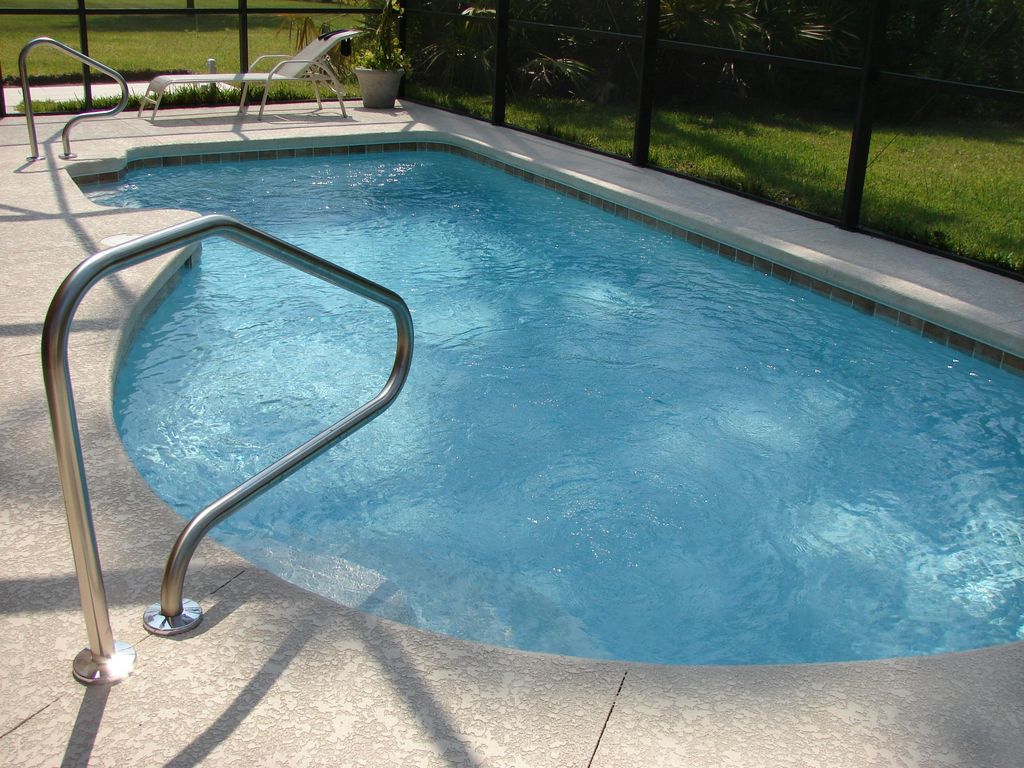
The equipotential bonding grid is the foundation of pool bonding and grounding code compliance, and it is one of the most overlooked parts of older pool installations. This grid must include the pool shell, the perimeter surface extending three feet from the pool edge, all metal fittings, ladders, handrails, diving boards, light niches, and any metal piping within five feet of the pool. A solid 8 AWG copper conductor connects all of these components, and the wire must be continuous with approved listed connectors rated for direct burial in wet locations. Pool water bonding is another requirement, achieved through a metal fitting that contacts the water or a dedicated water bond fitting with at least nine square inches of conductive surface. Without proper bonding, voltage gradients can form between the water and surrounding surfaces, leading to tingling sensations or worse during a swim. A licensed electrician can verify each bonding point using a low-resistance ohmmeter to confirm continuity throughout the system.
Grounding requirements for pool equipment are equally strict under the National Electrical Code, and every circuit serving pool pumps, heaters, lights, and automation systems must include an insulated copper equipment grounding conductor. The grounding conductor connects back to the main service panel, where it ties into the grounding electrode system, typically a ground rod or a connection to a metal water service pipe. Pool pump motors, salt cell controllers, and gas heater ignition systems all rely on a properly grounded circuit to operate safely and to trip the breaker during a ground fault. Underwater pool lights have especially detailed grounding requirements because they sit inside the water itself, and any failure in their grounding path can energize the entire pool. Ground fault circuit interrupter protection, known as GFCI protection, is mandatory for pool circuits and adds a second layer of shock prevention. When grounding is corroded, loose, or missing entirely, the GFCI may still trip, but the system as a whole no longer meets code.
Permit history and inspection records are the simplest way to confirm that your pool bonding and grounding meet current code standards in Pennsylvania. Every pool installation, equipment replacement, and electrical service upgrade should have a permit on file with the local municipality, along with a passed inspection signed off by the township or borough inspector. Homeowners who bought a house with an existing pool often inherit unknown electrical work, and there is no way to confirm bonding and grounding without opening up junction boxes or running continuity tests. Pre-2008 pools were built under older codes that did not require the same equipotential bonding around the deck perimeter, which is why many older pools fail modern inspections. A licensed electrician can pull permit records, perform a site inspection, and document the current state of your pool electrical system for insurance or resale purposes. Documented code compliance also matters for homeowners insurance, since many carriers now ask about pool electrical safety during policy renewals.
Common Signs Your Pool Bonding and Grounding Are Not Code Compliant
Tingling sensations in the water or on metal surfaces are one of the clearest warning signs that your pool bonding and grounding are not code compliant and need immediate attention. Swimmers may describe a mild buzzing feeling when they touch a ladder, handrail, or pool light, and this is caused by stray voltage moving between two surfaces that should be bonded together. Even small voltage differences, sometimes as low as one or two volts, can cause muscle paralysis in the water and lead to drowning. Lights that flicker, GFCI breakers that trip repeatedly without an obvious cause, and corrosion on metal pool fixtures are all related warning signs that the bonding grid is broken or the grounding path is failing. Pool equipment that shocks you when you touch it, even briefly, should be considered an emergency and the pool should be closed until a licensed electrician inspects the system. These symptoms often start small and grow worse as connections corrode further or as new equipment is added without proper bonding.
Visible corrosion on bonding lugs, exposed copper wire, or missing connections between metal components are physical signs that your pool electrical system has degraded over time. Bonding wires are usually buried just under the deck or attached to equipment with brass or copper lugs, and these connections can corrode quickly in chlorinated or saltwater pool environments. Saltwater pools in particular are aggressive on bonding hardware, and many systems installed for freshwater pools were never rated for saltwater conditions. Look for green or white corrosion at the pump pad, around light niches, on ladder anchors, and at the pool heater connection points. Any disconnected wire, broken lug, or rusted-through connector breaks the equipotential bonding grid and creates a code violation. A visual inspection by a homeowner can catch obvious problems, but only a licensed electrician with the proper test equipment can confirm whether the entire bonding system is intact.
Pool renovations, equipment swaps, and DIY electrical work are some of the most common reasons that previously compliant pool bonding and grounding fail to meet code today. Replacing a pool pump, installing a new salt chlorine generator, adding underwater lights, or building a new deck around the pool can all disrupt the bonding grid if the work was not done by a licensed electrician. A new variable speed pump, for example, must be bonded to the existing grid using an approved lug, and the equipment grounding conductor must be sized and installed correctly. Pool heaters, automation panels, and pool covers with electric motors all need to be tied into the bonding and grounding system during installation. Concrete deck repairs, paver replacements, and coping upgrades can also damage the buried bonding grid if the contractor does not know what is under the surface. Anytime work is done on or near your pool, the bonding and grounding should be re-inspected before the pool reopens.
The Pool Bonding and Grounding Code Compliance Inspection Process
A professional pool bonding and grounding code compliance inspection starts with a thorough visual review of every accessible electrical component connected to the pool system. The electrician examines the pool pump, heater, salt cell, automation panel, underwater lights, ladders, handrails, diving board anchors, and any nearby metal fences or structures. Each bonding lug is checked for corrosion, tightness, and proper conductor size, and the electrician looks for any signs that connections have been cut, removed, or modified. Junction boxes around the pool are opened to confirm that the equipment grounding conductors are properly terminated and that no splices have been made without listed connectors. The main electrical panel feeding the pool is inspected to verify that the pool circuits are on GFCI breakers, properly sized, and grounded back to the service grounding electrode. This visual stage often reveals obvious code violations before any testing equipment comes out.
Electrical testing is the next step in a code compliance inspection, and it tells the electrician whether the pool bonding system is actually working the way it should. A low-resistance ohmmeter measures the continuity between every bonded component and the main bonding point, and readings should be very close to zero ohms across the entire system. Voltage testing checks for stray voltage between the water and the perimeter surfaces, and any reading above safe thresholds points to a bonding failure or external voltage source. The grounding system is tested separately to confirm that fault current has a clear path back to the panel and that the grounding electrode resistance is within acceptable limits. GFCI breakers are tested with a calibrated tester to make sure they trip at the correct fault current level and within the required time. These measurements give the electrician hard data to support the inspection report and any recommended repairs.
A written code compliance report documents every finding from the inspection, including photos, test results, and a list of any items that do not meet current National Electrical Code requirements. The report identifies which violations are safety hazards requiring immediate repair and which are older installations that may be grandfathered under the code in effect at the time of installation. Repair recommendations include specific code references, materials needed, and an estimate for bringing the system into full compliance. Homeowners can use this report when selling the home, filing insurance claims, applying for permits for renovations, or simply documenting that the pool is safe for the season. The report also serves as a baseline for future inspections, making it easier to track changes in the system over time. Want to schedule a professional pool electrical inspection? Click here for our electrical inspection service.
How to Test Pool Bonding and Grounding for Code Compliance at Home
Some basic pool bonding and grounding checks can be done by a careful homeowner, but anything beyond a visual inspection should be handled by a licensed electrician with the right test equipment. A walk-around inspection of all visible bonding connections at the pump pad, equipment area, and pool perimeter can catch obvious problems like loose lugs, corroded wires, and disconnected components. Homeowners should also pay attention to how the water and metal surfaces feel during use, since tingling, buzzing, or shock sensations are clear signs of an electrical problem that needs immediate professional attention. Checking that GFCI breakers and outlets trip and reset properly is another simple test that can reveal protection failures. Never attempt to test live circuits, open energized panels, or disconnect bonding wires without proper training and personal protective equipment. The goal of homeowner testing is to spot warning signs early and call a professional before someone gets hurt.
Visual Pool Bonding and Grounding Code Compliance Checks
Start your visual pool bonding and grounding code compliance check at the equipment pad, since this is where most bonding connections come together and where corrosion shows up first. Look at the pool pump motor, heater, salt cell controller, and any automation panels for a copper bonding wire attached to a labeled bonding lug. The wire should be solid copper, at least 8 AWG, and the lug should be tight, clean, and free of green or white corrosion. Trace the bonding wire from the pump pad back toward the pool, noting where it disappears into the ground or into conduit. If you see exposed wire that has been cut, spliced with wire nuts, or wrapped in electrical tape, the bonding grid has been compromised and needs professional repair. Take photos of any concerning connections so you can show them to your electrician during the inspection.
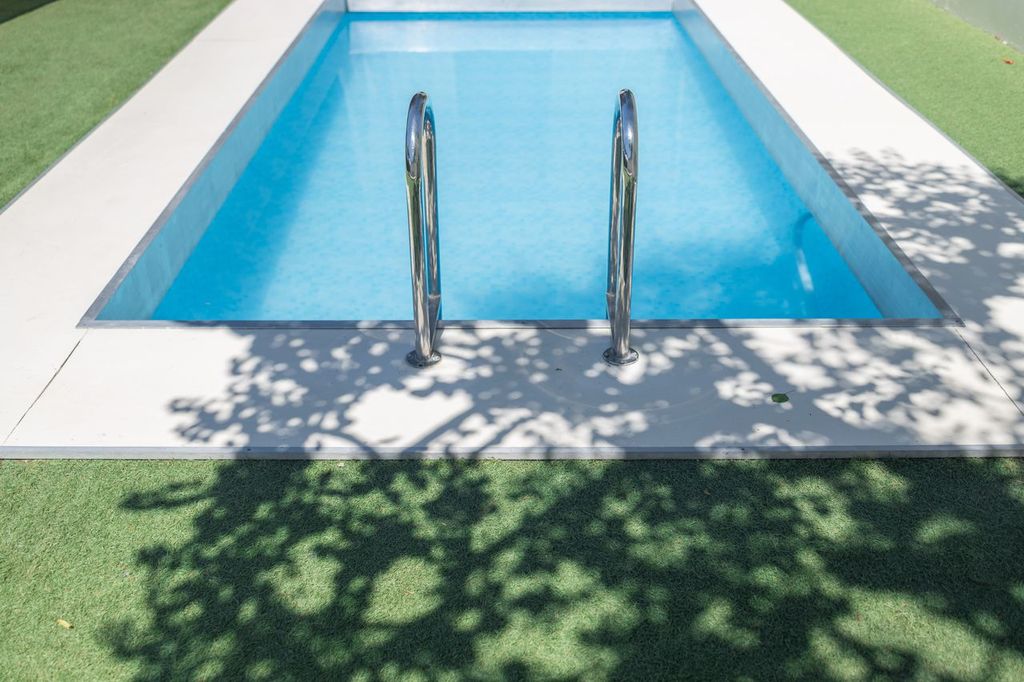
Move next to the pool itself and inspect every metal component that should be bonded, including ladders, handrails, diving board anchors, slide bases, and the metal frames around underwater light niches. Each of these should have a visible bonding connection, usually a copper lug attached with a brass screw or bolt to a bonding wire running back to the equipment pad. Above-ground pools have bonding requirements too, with the metal walls, top rails, and ladder anchors all needing to tie into a common bonding point. If your pool deck is concrete with a perimeter bonding grid, you may see bonding wire stubbed up at the edge of the deck where it connects to the structural steel mesh inside the concrete. Any metal surface within five feet of the pool, including metal fences, lighting poles, and pump house structures, should also be bonded. Missing bonding on any of these components is a clear code violation.
Check the electrical panel feeding your pool to confirm that the pool circuits are on GFCI breakers and that the panel itself is properly labeled and accessible. Pool pump circuits, lighting circuits, heater circuits, and any outlets within twenty feet of the pool must have GFCI protection under current code. Look at the breaker for a test button and a reset indicator; press the test button to confirm the breaker trips immediately, then reset it and confirm power returns to the equipment. Outdoor outlets near the pool should be GFCI receptacles or fed from GFCI breakers, and these should be tested monthly using the test and reset buttons. If a breaker or outlet fails to trip during testing, refuses to reset, or trips repeatedly during normal use, the device may be failing and should be replaced by a licensed electrician. Need GFCI outlet installation or replacement? Click here for our GFCI outlet installation service.
When to Call a Licensed Electrician for Pool Bonding and Grounding
Call a licensed electrician for pool bonding and grounding inspection anytime you experience tingling, buzzing, or shock sensations in or around your pool, since these symptoms point directly to an electrical safety failure. Even mild tingling is a sign that voltage is present where it should not be, and the situation can escalate quickly as connections corrode further or as electrical loads change. Close the pool, keep everyone out of the water, and shut off power to all pool equipment at the main panel until an electrician can inspect the system. Document when the symptoms started, which surfaces or fixtures caused the sensation, and any recent changes to the pool or nearby electrical work. This information helps the electrician diagnose the problem faster and focus testing on the most likely failure points. Never assume the problem will fix itself or that the symptoms are normal for an older pool.
New pool equipment installations, major renovations, and pool electrical service upgrades all require a licensed electrician to handle the bonding and grounding work to maintain code compliance. Replacing a pool pump, adding a salt chlorine generator, installing new underwater lights, or upgrading to a smart pool automation system all involve bonding and grounding decisions that affect overall safety. Pennsylvania requires permits for most pool electrical work, and only a licensed electrician can pull these permits and certify the installation. Insurance companies, real estate inspectors, and township officials all expect to see documented electrical work performed by licensed contractors. Doing this work without a permit or without proper licensing can void your insurance, create resale problems, and most importantly leave your family at risk. A licensed electrician handles the technical requirements, the code references, and the inspection process from start to finish.
Older pools built before 2008 or pools that have never had a documented electrical inspection should be checked by a licensed electrician before another swim season begins. The 2008 National Electrical Code introduced major changes to pool bonding requirements, particularly around the equipotential bonding grid at the perimeter of the pool. Pools built before these changes often do not have the same level of protection, even if they passed inspection at the time of construction. A retrofit inspection can identify which upgrades are needed to bring the pool up to current code, and many of these improvements can be done without major demolition. Saltwater conversions, deck replacements, and pump pad relocations are good opportunities to update the bonding and grounding system at the same time. Investing in a code compliance inspection now is far cheaper than dealing with a serious injury or a lawsuit later.
The Cost of Ignoring Pool Bonding and Grounding Code Compliance
Ignoring pool bonding and grounding code compliance carries a real risk of electric shock drowning, which has caused fatalities in pools across the United States including documented cases in Pennsylvania. Electric shock drowning happens when stray voltage in the water causes muscle paralysis, preventing the swimmer from reaching safety even in shallow water. Children and smaller swimmers are especially vulnerable because lower voltage levels can immobilize them faster than adults. Many of these incidents involve older pools with degraded bonding systems, faulty underwater lights, or electrical work done without permits and inspections. The tragedy is that proper bonding and grounding, combined with GFCI protection, would have prevented nearly all of these deaths. No cost savings from skipping an inspection is worth that risk for your family or your guests.
Financial consequences of non-compliant pool electrical systems include insurance claim denials, fines from local code enforcement, and lawsuits if someone is injured at your pool. Homeowners insurance policies typically require that all home systems, including pool electrical, meet current code or the code in effect at the time of installation. An injury claim involving a non-compliant pool can lead to a denied claim, leaving the homeowner personally responsible for medical bills, legal fees, and damages. Selling a home with known pool electrical violations is also difficult, as buyers and their inspectors will identify these issues during the sale process. Repairing a problem on your timeline is always cheaper than fixing it during a forced sale or after an incident. Documented code compliance protects your investment in the home as well as your family.
Equipment damage and shortened pool system lifespan are additional costs of ignoring bonding and grounding problems, since electrical issues accelerate corrosion on metal components and cause premature failure of pumps, heaters, and control systems. Stray current in poorly bonded systems can eat through pool ladders, light niches, and metal piping over a few seasons. Variable speed pumps, salt chlorine generators, and smart automation panels are sensitive to electrical issues and can fail expensively when grounding paths are compromised. Repeated GFCI trips often signal a deeper problem that, left unaddressed, will eventually destroy expensive equipment. Catching and fixing bonding and grounding issues early protects the thousands of dollars you have invested in pool equipment. Routine code compliance inspections pay for themselves by extending the life of the entire pool system.
Why You Need Professional Pool Bonding and Grounding Code Compliance Inspection
Professional pool bonding and grounding code compliance inspection is the single most important investment you can make in your pool’s safety, and it should be part of every pool owner’s regular maintenance routine. Licensed electricians have the training, the test equipment, and the code knowledge to identify problems that homeowners simply cannot see during a visual check. Pennsylvania’s climate, with freezing winters and hot humid summers, is hard on outdoor electrical systems, and pool bonding hardware degrades faster than most homeowners realize. Saltwater pools, older installations, and pools that have been renovated multiple times all carry higher risks of code violations. Edinson Electrical Solutions serves the entire Lehigh Valley and surrounding communities with professional pool electrical inspections, repairs, and upgrades. Scheduling an inspection before swim season starts gives you peace of mind and protects everyone who uses your pool.
The Value of Professional Pool Bonding and Grounding Inspections
A professional pool bonding and grounding inspection provides documented proof that your pool electrical system meets current code, which protects you legally, financially, and personally. The written report from a licensed electrician serves as evidence for insurance carriers, real estate transactions, and township inspectors that the system has been verified by a qualified professional. Homeowners who maintain regular inspection records often see fewer issues at closing and faster approvals on insurance claims. The inspection itself catches small problems before they grow into expensive repairs or safety hazards, saving you money over the life of the pool. Many pool owners discover during their first professional inspection that long-standing issues, like a tingling sensation they had assumed was normal, were actually serious bonding failures.
Professional inspections also include education, since a good electrician will explain what the bonding and grounding systems do, where the key components are located, and what warning signs to watch for between inspections. This knowledge helps you spot problems early and communicate more effectively with electricians and pool service technicians in the future. Understanding the basics of pool electrical safety also helps you make better decisions during renovations, equipment upgrades, and seasonal maintenance. A professional inspection turns your pool from a black box of buried wires into a system you actually understand. That understanding is one of the most underrated benefits of working with a qualified electrician on your pool.
Scheduled annual or biannual inspections are the most effective way to catch problems early and keep your pool electrical system code compliant year after year. Pool equipment, bonding hardware, and grounding connections all degrade with exposure to weather, chemicals, and time, and small issues become major problems if left unchecked. An annual inspection in the spring, before opening the pool, is a popular choice for many Pennsylvania homeowners because it catches winter damage before swimmers enter the water. Some homeowners add a fall inspection after closing the pool, especially after a busy season with heavy equipment use. Regular inspections also create a documented history of the system, which is valuable for resale, insurance, and warranty purposes.
How a Licensed Electrician Brings Pool Bonding and Grounding to Code
A licensed electrician brings pool bonding and grounding to code through a combination of inspection, testing, targeted repairs, and full system upgrades when needed. The process starts with the inspection and testing described earlier, which identifies every component that fails to meet current National Electrical Code requirements. Repairs are then prioritized based on safety, with stray voltage issues, missing bonds, and failed GFCI protection handled first. Materials used in these repairs must be listed for the application, rated for direct burial where applicable, and sized correctly for the system load. Permits are pulled when required, and the work is inspected by the township or borough to confirm compliance. This formal process protects you and provides the documentation needed for insurance and resale.
Larger projects sometimes require rebuilding portions of the equipotential bonding grid, replacing underwater light wiring, or upgrading the electrical service to the pool equipment pad. Older pools with insufficient bonding around the perimeter may need new bonding wire installed under or around the deck, often during a planned deck renovation. Light niches that have corroded beyond repair require replacement, including new conduit, new wiring, and new niche bodies bonded to the grid. Salt chlorine generator installations, smart automation upgrades, and electric vehicle charger installations near the pool all need to be coordinated with the pool electrical system to maintain compliance. A licensed electrician with pool experience plans these projects to minimize disruption while bringing the entire system up to current standards.
Documentation is the final step in any code compliance project, and it includes the written inspection report, repair records, permit numbers, inspection sign-offs, and photos of completed work. This package provides a complete history of the pool electrical system and demonstrates that all work has been performed to code by a licensed professional. Homeowners can store this documentation with their pool maintenance records and provide copies to future buyers, insurance carriers, or new electricians working on the system. Edinson Electrical Solutions provides full documentation on every pool electrical project, making it easy to prove compliance whenever it is needed. This professional approach is what separates a code-compliant pool from one that just looks finished.
Why Choose Edinson Electrical Solutions for Pool Bonding and Grounding
Edinson Electrical Solutions is a family owned and operated electrical company serving Hokendauqua, Allentown, Bethlehem, Easton, Whitehall, Emmaus, Nazareth, and the surrounding Lehigh Valley communities with code-compliant pool electrical work. Our team is licensed and insured in the State of Pennsylvania, with the training and experience needed to inspect, repair, and upgrade pool bonding and grounding systems on every type of pool. We understand the local code requirements, the township inspection processes, and the unique challenges that come with pool electrical work in our region. Every job is backed by our lifetime craftsmanship warranty, giving you confidence that the work will last for years to come. Financing is available through Synchrony to make larger projects affordable for any household budget.
Our approach to pool bonding and grounding starts with honest communication, detailed inspections, and clear explanations of what we find and what it will take to bring the system up to code. We do not push unnecessary work, and we provide written estimates before any repairs begin so you know exactly what to expect. Our electricians use professional grade test equipment, listed materials, and proven installation techniques on every project. We pull permits whenever they are required and coordinate inspections with your local township or borough to keep the process smooth. This straightforward approach is why so many Lehigh Valley homeowners trust Edinson Electrical Solutions with their pool electrical safety year after year.
Dedicated to providing five star service every time, we treat your home and your pool with the same care we would give our own. Our reputation for code-compliant work, lifetime craftsmanship warranty, and family owned service has made us a trusted name throughout the Lehigh Valley. Ready to schedule your professional pool wiring inspection or repair? Click here for our pool wiring service. Reach our team at (484) 898-7788 or info@edinsonelectrical.com to book your appointment. We look forward to keeping your pool safe, code compliant, and ready for many swim seasons to come.