
The Right Way to Wire an Outdoor Pool Pump Before Memorial Day Weekend
Memorial Day weekend marks the unofficial start of pool season across the Lehigh Valley, and homeowners in Whitehall, Bethlehem, and Allentown are racing to get their backyards ready for family gatherings. A properly wired pool pump is the heart of any safe and functional swimming pool electrical system, moving water through filters and chlorinators to keep the water clean and clear for swimmers. Wiring a pool pump correctly requires strict adherence to the National Electrical Code, specifically Article 680, which governs all electrical installations near swimming pools, spas, and hot tubs. Cutting corners on pool pump wiring creates serious shock hazards, voids equipment warranties, and can lead to failed township inspections that delay your swim season indefinitely. Pennsylvania weather adds another layer of complexity because outdoor electrical components must withstand humidity, rain, and temperature swings throughout the swimming months. This guide walks through the right way to wire an outdoor pool pump before Memorial Day weekend, covering voltage requirements, bonding, grounding, GFCI protection, and the equipment needed for a code-compliant installation. Homeowners who understand these requirements can hire the right electrician and avoid the costly mistakes that turn weekend pool projects into emergency repair calls.
Understanding Pool Pump Wiring Requirements Before Memorial Day Weekend
Pool pump wiring is one of the most heavily regulated electrical installations in residential construction because water and electricity create life-threatening conditions when something goes wrong. Most modern pool pumps run on either 120-volt or 240-volt circuits, with variable-speed pumps becoming the standard choice for energy-conscious homeowners across Pennsylvania. Local townships in the Lehigh Valley require permits and inspections for any new pool pump circuit, and the inspector will verify proper conductor sizing, GFCI protection, bonding, and disconnect placement. Memorial Day weekend creates pressure to finish projects quickly, but rushing pool pump wiring leads to dangerous shortcuts that put families at risk all summer long. Getting the wiring right the first time saves money, protects swimmers, and ensures your pool equipment operates efficiently for years to come.
Pool Pump Wiring Voltage and Circuit Requirements Before Memorial Day Weekend
Selecting the correct voltage for your pool pump wiring is the first critical decision before any wire gets pulled or any conduit gets buried. Single-speed pool pumps under one horsepower typically run on 120-volt circuits, while larger pumps and most variable-speed models require 240-volt service for efficient operation and lower amperage draw. A 240-volt circuit cuts the current roughly in half compared to 120-volt wiring, which means less voltage drop over long underground runs from your panel to the pool equipment pad. Most pool pumps require a dedicated 20-amp or 30-amp circuit, with conductor sizing based on the pump’s nameplate full-load amperage and the distance from the electrical panel. Pool equipment pads located more than 50 feet from the main panel often need upsized conductors to compensate for voltage drop, which can damage motor windings over time. Homeowners across Hokendauqua, Easton, and Nazareth often discover their existing electrical panel lacks the capacity for new pool equipment, requiring an electrical service upgrade before the pool pump wiring can even begin.
Circuit breaker selection for pool pump wiring must match both the conductor size and the pump’s amperage requirements according to National Electrical Code standards. A 20-amp circuit requires a minimum of 12-gauge copper conductors, while 30-amp circuits demand 10-gauge copper or larger depending on the underground run length. Pool pump circuits must terminate at a GFCI breaker installed in the main electrical panel, providing ground-fault protection that disconnects power within milliseconds if current leaks to ground. Standard breakers without GFCI protection are not permitted for pool pump circuits under current code requirements, and inspectors will fail any installation that uses regular breakers. Variable-speed pool pumps often have specific breaker requirements listed on the equipment nameplate, and using the wrong breaker type can damage sensitive electronics inside the pump motor. Working with a licensed electrician ensures proper breaker selection and protects your investment in expensive pool equipment.
Conduit and conductor selection determines how long your pool pump wiring will last in the harsh outdoor environment of Pennsylvania summers and winters. Schedule 40 or Schedule 80 PVC conduit is the standard choice for underground pool pump wiring runs, with Schedule 80 required where conduit emerges from the ground and remains exposed. THHN/THWN-2 stranded copper conductors are the most common wire type for pool pump circuits because they handle moisture, heat, and the flexibility needed for conduit bends. Direct-burial UF cable is permitted in some installations, though most professional electricians prefer conduit for easier future repairs and modifications. Underground conduit must be buried at minimum depths specified by the National Electrical Code, with PVC requiring 18 inches of cover in most pool pump applications. All conduit fittings, boxes, and connectors must be rated for wet locations, with weatherproof gaskets and corrosion-resistant materials throughout the installation.
Pool Pump Wiring Bonding and Grounding Requirements Before Memorial Day Weekend
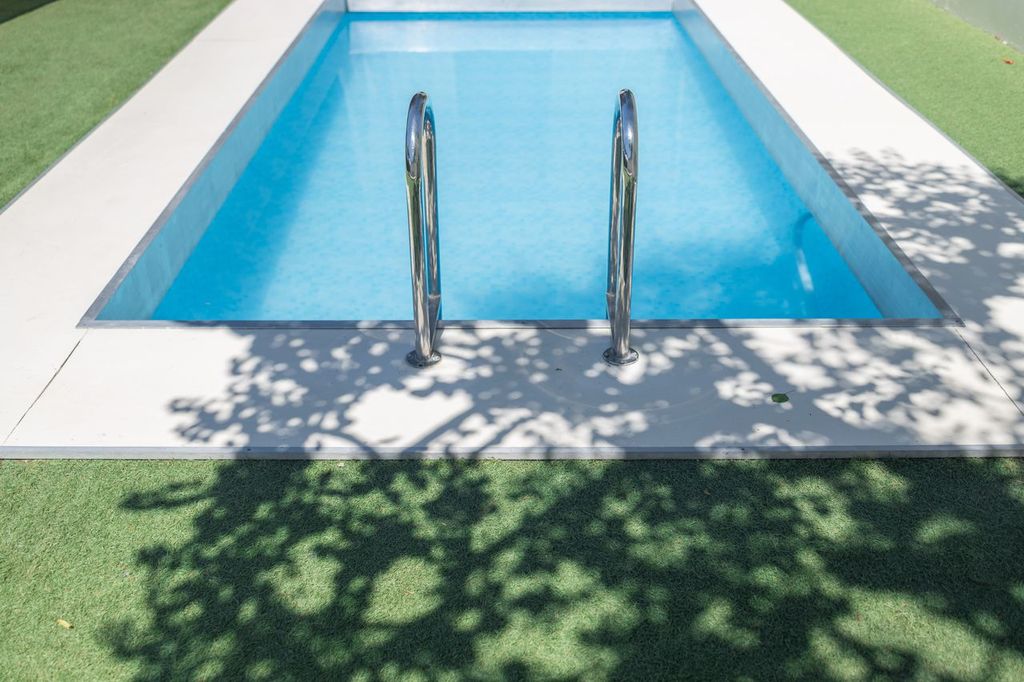
Equipotential bonding is the single most misunderstood aspect of pool pump wiring, and improper bonding causes the majority of pool electrical shock incidents reported each summer. The National Electrical Code requires a continuous 8-gauge solid copper bonding conductor connecting all metal components within five feet of the pool, including the pump motor, metal ladders, handrails, light niches, and reinforcing steel in the pool deck. This bonding grid creates an equipotential plane that keeps all metal surfaces at the same electrical potential, preventing shock hazards from stray voltage in the surrounding earth. The bonding conductor is separate from the equipment grounding conductor that runs with the pool pump circuit wiring back to the main panel. Many homeowners confuse bonding with grounding, but these are two distinct safety systems that work together to protect swimmers and equipment. Skipping the bonding requirements creates invisible hazards that may not cause problems for years until a small fault energizes the entire pool structure.
Pool pump motors include a dedicated bonding lug on the motor housing, and the 8-gauge bonding conductor must connect to this lug using approved compression connectors. The bonding conductor cannot be spliced underground without using listed irreversible compression connectors rated for direct burial in wet locations. Reinforcing steel in concrete pool decks must be bonded together and connected to the same bonding grid as the pump and other metal components. Vinyl-liner and fiberglass pools still require a copper bonding grid in the deck area, typically a perimeter loop installed before concrete is poured. Some pool installations also require an equipotential bonding plate immersed in the pool water itself, depending on the pool construction and local interpretation of code requirements. A licensed electrician familiar with pool installations across Bethlehem, Allentown, and Whitehall understands these bonding requirements and ensures every connection meets inspection standards.
The equipment grounding conductor that runs with the pool pump circuit serves a different purpose than the bonding conductor and connects back to the grounding bus in your main electrical panel. This green or bare copper conductor carries fault current safely back to the panel during a short circuit, allowing the GFCI breaker to trip and disconnect power. Pool pump wiring must include an insulated equipment grounding conductor sized according to the circuit ampacity, typically 12-gauge for 20-amp circuits and 10-gauge for 30-amp circuits. The grounding conductor terminates at the pump motor’s grounding terminal, which is electrically isolated from the bonding lug on the motor housing. Proper electrical grounding throughout your home’s electrical system supports safe pool pump operation and protects all connected equipment from voltage surges and faults. If your home has older wiring without proper grounding, addressing those issues before installing pool equipment is essential for safety and code compliance.
Pool Pump Wiring GFCI Protection Requirements Before Memorial Day Weekend
Ground-fault circuit interrupter protection is mandatory for all pool pump circuits regardless of voltage, horsepower, or installation location under current National Electrical Code requirements. GFCI devices monitor the current flowing on the hot and neutral conductors, detecting imbalances as small as 5 milliamps that indicate current leaking to ground through water, equipment, or a human body. This protection must be installed at the breaker level in the main electrical panel for pool pump circuits, providing protection for the entire wire run from panel to pump. Older pool installations may have GFCI protection only at a receptacle near the pump, but current code requires panel-mounted GFCI breakers for new installations and major renovations. Homeowners with existing pools should consider upgrading to GFCI breaker protection during spring maintenance to align with current safety standards. A proper GFCI outlet installation near the pool equipment pad provides additional protection for maintenance work and accessory equipment.
GFCI breakers for pool pump circuits must be sized to match both the circuit amperage and the voltage requirements of the pump motor. A 240-volt pool pump requires a two-pole GFCI breaker that monitors both hot conductors simultaneously, while 120-volt pumps use single-pole GFCI breakers. Variable-speed pool pumps sometimes cause nuisance tripping with standard GFCI breakers because of harmonic distortion from the variable-frequency drive electronics inside the motor. Selecting GFCI breakers specifically rated for variable-speed pool pump applications eliminates these tripping problems while maintaining proper safety protection. Pool pump circuits should be tested monthly during the swimming season by pressing the test button on the GFCI breaker and confirming the pump shuts off immediately. Any GFCI breaker that fails to trip during testing or trips repeatedly during normal operation needs immediate inspection and replacement by a qualified electrician.
The disconnect switch for pool pump wiring must be installed within sight of the pump but at least five feet horizontally from the pool’s inside wall. This local disconnect allows service technicians to safely de-energize the pump for maintenance without trips back to the main electrical panel. Pool pump disconnects must be weatherproof, lockable in the off position, and rated for the voltage and amperage of the connected circuit. The disconnect provides a critical safety point during emergencies, allowing anyone to quickly shut off pool equipment if someone receives a shock or equipment malfunctions. Many local townships across the Lehigh Valley require the disconnect to be readily accessible without tools or special knowledge, mounted at a height between 12 inches and 6 feet 7 inches above the equipment pad. Need professional pool pump wiring before Memorial Day weekend? Click here for our pool wiring service.
Installing Pool Pump Wiring Step by Step Before Memorial Day Weekend
The actual installation process for pool pump wiring follows a logical sequence that ensures every component meets code requirements and inspector approval. Starting with a clear plan, accurate measurements, and the right materials prevents the common mistakes that delay projects and increase costs. Most pool pump wiring installations across Pennsylvania take a full day for an experienced electrical crew, including trenching, conduit installation, conductor pulling, and final connections. Homeowners should never attempt pool pump wiring as a DIY project because the safety risks, code complexity, and inspection requirements demand professional expertise. Even minor mistakes in pool electrical work can create life-threatening conditions that may not show symptoms until someone receives a serious shock. Hiring a licensed electrician for pool pump wiring protects your family, your investment, and your liability as a homeowner.
Pool Pump Wiring Trenching and Conduit Installation Before Memorial Day Weekend
Trenching for pool pump wiring requires careful planning to avoid existing utilities, septic systems, irrigation lines, and other underground obstacles common in Pennsylvania backyards. Pennsylvania law requires calling 811 at least three business days before any digging project to mark underground utility locations and prevent costly damage. The trench path should take the most direct route from the electrical panel to the pool equipment pad while avoiding tree roots, retaining walls, and areas with poor drainage. Trench depth depends on the conduit type selected and the National Electrical Code requirements for the specific installation conditions. PVC conduit for pool pump circuits typically requires 18 inches of cover, measured from the top of the conduit to the finished grade. Direct-burial cable installations require deeper trenches, often 24 inches or more depending on the cable type and local amendments.
Conduit installation begins after trenching is complete and the path has been inspected for sharp rocks, debris, or other obstacles that could damage the PVC. PVC conduit sections are connected using solvent cement that creates a permanent watertight bond between joints, with proper deburring and dry-fitting before final assembly. Sweep elbows with long radius bends are used at all direction changes to allow easy conductor pulling, with maximum 360 degrees of total bends between pull points. Schedule 80 PVC conduit is required where the conduit emerges from the ground at both the panel end and the pump end, protecting against physical damage from lawn equipment and foot traffic. Pull strings or fish tapes are installed in the conduit during assembly to facilitate later conductor installation through long underground runs. Conduit terminations at the panel and equipment pad use weatherproof connectors with proper gaskets and sealing compounds rated for outdoor wet locations.
Bedding and backfilling the conduit trench protects the installation from damage caused by settling soil, frost heaving, and future digging projects. A two-inch layer of sand or fine soil placed beneath the conduit eliminates sharp rocks that could puncture or crack the PVC over time. The same bedding material is placed around and over the conduit before backfilling with native soil, creating a protective envelope that maintains conduit position. Warning tape labeled “electrical” is installed approximately 12 inches above the conduit to alert future excavators to the presence of buried electrical lines. Backfilling should be done in compacted layers to prevent settling that could stress conduit joints or create voids around the installation. Final grade restoration includes topsoil and seeding or sod replacement to return the lawn to its original appearance before the swimming season begins.
Pool Pump Wiring Conductor Installation Before Memorial Day Weekend
Conductor installation through the completed conduit system requires the right tools, lubricants, and techniques to avoid damaging the insulation during the pull. Wire-pulling lubricant designed for electrical conductors reduces friction during long pulls and prevents jacket damage that could cause future failures. Conductors are typically pulled from the equipment pad end back to the panel because gravity assists with longer underground runs. Pull tensions should never exceed the manufacturer’s specifications for the conductor type and size, with mechanical pullers used for longer runs or larger conductor sizes. Each conductor is identified at both ends with permanent markings or color-coded tape to ensure proper connections at the panel and pump locations. Adequate slack is left at both ends of the pull to allow proper terminations without strain on the conductors or connections.
Conductor terminations at the main electrical panel must follow specific torque specifications and connection methods to prevent loose connections that cause arcing and fires. Each conductor is stripped to the precise length specified by the breaker manufacturer, with no exposed copper beyond the terminal landing point. Hot conductors land on the GFCI breaker terminals, the neutral conductor connects to the GFCI breaker neutral pigtail, and the equipment grounding conductor terminates at the grounding bus. Variable-speed pool pumps may require additional conductors for control signals or communication with automation systems, depending on the specific pump model and installation. Proper torque using calibrated torque screwdrivers ensures every connection meets manufacturer specifications and reduces the risk of future failures. The GFCI breaker is tested immediately after installation by pressing the test button and confirming proper trip operation before energizing the circuit.
Terminations at the pool pump equipment pad complete the wiring installation and prepare the pump for startup before Memorial Day weekend. The disconnect switch is installed first, mounted on a weatherproof backboard or post within sight of the pump location. Conductors from the underground conduit terminate at the line side of the disconnect, with new conductors continuing from the load side to the pump motor terminals. Strain reliefs and watertight connectors prevent moisture intrusion at every cable entry point on the disconnect, pump, and any junction boxes. The bonding conductor is installed separately from the circuit wiring, with connections to the pump motor bonding lug, pool reinforcing steel, and any other metal components within five feet of the pool. Looking for a licensed electrician to install your pool pump wiring? Click here for our electrical wiring service.
Pool Pump Wiring Final Testing and Inspection Before Memorial Day Weekend
Final testing of pool pump wiring verifies every connection, protection device, and safety feature before the system is placed in service for the swimming season. A megger insulation resistance test confirms the conductors have no insulation damage from the pulling process or installation issues that could cause future failures. Continuity testing of the equipment grounding conductor and bonding system confirms low-resistance paths exist throughout the installation. Voltage testing at the pump terminals verifies proper voltage levels under load, with measurements taken while the pump operates at full speed. GFCI breaker testing using a dedicated GFCI tester confirms the breaker trips at the proper current level and within the required time window. Documentation of all test results provides valuable records for future maintenance, warranty claims, and property transfers.
Township electrical inspections are required for new pool pump wiring across the Lehigh Valley, with most municipalities requiring inspection before the trench is backfilled. The inspector verifies trench depth, conduit type, conductor sizing, and proper installation methods before any concealment occurs. A rough inspection covers the underground installation, while a final inspection verifies the completed system meets all applicable code requirements. Inspection fees vary by municipality but typically range from $75 to $200 for residential pool electrical work. Failed inspections require corrections and reinspection, potentially delaying pool startup beyond the Memorial Day weekend target. Working with experienced electricians who know local inspection requirements prevents failed inspections and keeps pool projects on schedule.
System commissioning includes the first pump startup, priming the pool plumbing, and verifying all electrical and mechanical components operate correctly together. The pump is started while monitoring voltage, amperage, and motor temperature to confirm proper operation under normal swimming pool conditions. Variable-speed pumps require programming through the pump controller to set the operating schedules, flow rates, and energy-saving modes appropriate for your specific pool. The GFCI breaker is tested one final time after the pump reaches normal operating temperature, confirming no nuisance tripping occurs during regular operation. Final cleanup includes removing all installation debris, restoring the equipment pad to a clean appearance, and providing the homeowner with documentation. A comprehensive electrical inspection of your home’s pool equipment and connections each spring catches small issues before they become summer emergencies.
Why You Need Professional Pool Pump Wiring Before Memorial Day Weekend
Pool pump wiring is not a project for handymen, general contractors, or do-it-yourself enthusiasts because the safety stakes are simply too high. The combination of water, electricity, and outdoor exposure creates conditions where small mistakes lead to catastrophic consequences for swimmers and homeowners. Licensed electricians bring specialized training in pool electrical work, including bonding requirements, GFCI protection, and the unique aspects of swimming pool electrical systems. Pennsylvania law requires licensed electricians for most pool electrical installations, and homeowners’ insurance policies often deny claims for damage or injuries caused by unlicensed electrical work. Hiring the right electrician before Memorial Day weekend ensures your pool opens safely and operates reliably throughout the swimming season.
Pool Pump Wiring Safety Risks Before Memorial Day Weekend
Electrical shock in swimming pools causes drownings and permanent injuries every summer across the United States, with most incidents traced to improper wiring or missing safety devices. Stray voltage from improperly bonded pool equipment can energize the entire pool structure, creating shock hazards that paralyze swimmers and prevent escape from the water. GFCI protection failures account for many pool electrical incidents because older installations lack panel-level protection or use damaged devices. Improper conductor sizing causes overheating, insulation failures, and electrical fires that destroy pool equipment and threaten nearby structures. Loose connections at any point in the pool pump wiring create arcing that generates heat and eventually fails completely.
Children face the greatest risk from pool electrical hazards because their smaller body mass makes them more vulnerable to electrical current. Even mild shocks that an adult might shake off can cause a child to lose muscle control and drown in shallow water. Pool electrical incidents often occur during routine activities like adjusting pump controls or backwashing filters, when wet hands contact poorly maintained equipment. The bonding requirements in current electrical code exist specifically to prevent these incidents, but only proper installation provides the intended protection. Skipping bonding connections or using incorrect materials creates invisible hazards that may not cause problems for years until a small fault energizes the pool.
Insurance companies investigate every pool electrical incident, and unlicensed work voids coverage for property damage, medical expenses, and liability claims. Homeowners who hire unlicensed contractors for pool wiring assume full personal liability for any incidents involving the installation. The cost savings from cutting corners on pool electrical work disappear immediately after the first claim denial or injury lawsuit. Professional electricians carry liability insurance, workers’ compensation coverage, and licensing bonds that protect homeowners throughout the installation process. The peace of mind from professional pool pump wiring far outweighs the modest cost savings from amateur installations.
Pool Pump Wiring Code Compliance Before Memorial Day Weekend
National Electrical Code Article 680 contains dozens of pages of specific requirements for swimming pool electrical installations, with regular updates as new safety research becomes available. Pennsylvania adopts the National Electrical Code with state-specific amendments, and local townships often add additional requirements based on community standards. Keeping current with code changes requires ongoing training and education that licensed electricians complete as part of their professional development. Pool pump wiring installed under outdated code requirements may not meet current safety standards even though it was legal at the time of installation. Major pool renovations often trigger code update requirements that bring older installations up to current standards.
Local inspection requirements vary across the Lehigh Valley, with different townships having different fee structures, inspection schedules, and approved electrical inspection agencies. Licensed electricians know the specific requirements for each municipality and schedule inspections to avoid project delays. Permit applications require accurate load calculations, equipment specifications, and installation drawings that demonstrate code compliance. Failed inspections delay pool openings and require corrective work that costs more than doing the job correctly the first time. Successful inspections provide documentation valuable for future property sales, insurance claims, and warranty issues.
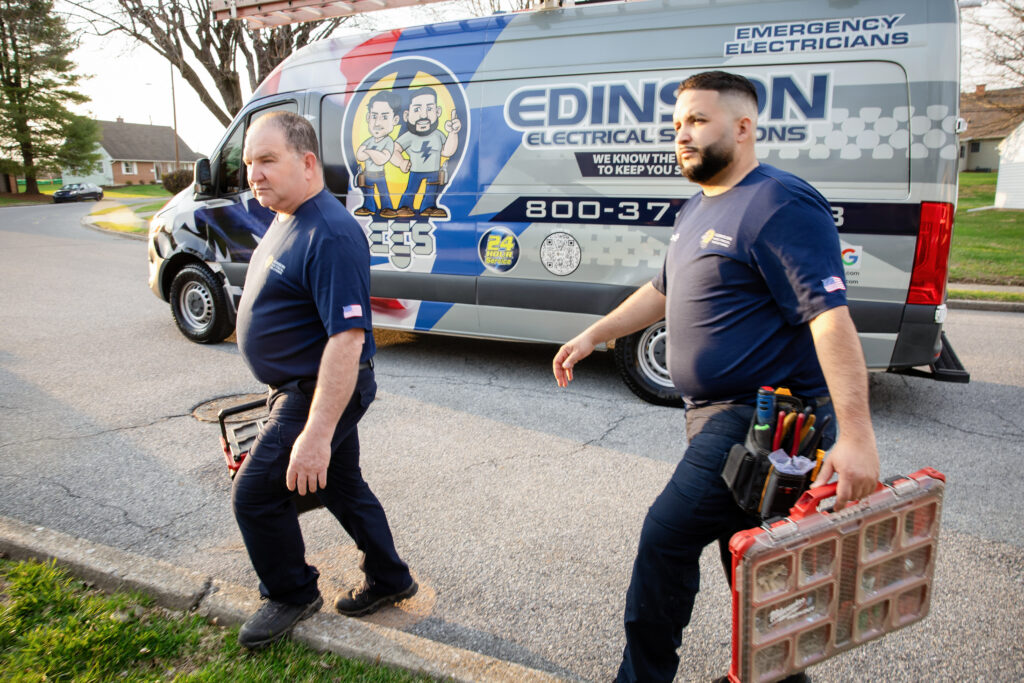
Code-compliant pool pump wiring protects your investment in expensive pool equipment through proper voltage regulation, surge protection, and electrical isolation. Variable-speed pool pumps cost $1,500 or more, and improper wiring causes early failure of motor windings, control electronics, and bearings. Manufacturer warranties on pool equipment often require professional installation by licensed electricians, with documentation of proper electrical connections. Code-compliant installations also support resale values because home inspectors flag any unpermitted electrical work during property transactions. Edinson Electrical Solutions completes every pool pump wiring project to current code standards with proper permits, inspections, and documentation.
Pool Pump Wiring with Edinson Electrical Solutions Before Memorial Day Weekend
Edinson Electrical Solutions has served the Lehigh Valley as a family-owned and operated local business with deep roots in the Hokendauqua community. Licensed and insured in the State of Pennsylvania, our team specializes in residential electrical work including swimming pool installations, generator wiring, and electrical panel upgrades. Every pool pump wiring project we complete includes a Lifetime Craftsmanship Warranty that backs our installation work for as long as you own your home. Financing through Synchrony makes professional pool electrical work affordable for homeowners across Allentown, Bethlehem, Easton, and the surrounding communities. Our commitment to 5-star service has earned the trust of pool owners throughout the Lehigh Valley year after year.
Our electricians stay current with National Electrical Code updates, local township requirements, and manufacturer specifications for pool equipment from every major brand. We complete every pool pump wiring installation with proper permits, township inspections, and detailed documentation for your records. Same-day estimates and competitive pricing make Edinson Electrical Solutions the smart choice for Memorial Day weekend pool projects across the Lehigh Valley. Our scheduling team works around your timeline to complete pool electrical work before your swimming season begins. Communication throughout the project keeps you informed about progress, inspections, and any issues that require decisions.
Call Edinson Electrical Solutions at (484) 898-7788 today to schedule your pool pump wiring consultation before Memorial Day weekend arrives. Our experienced team will assess your existing electrical system, recommend the right pool pump wiring approach, and provide a detailed estimate for the complete project. We coordinate with pool builders, equipment suppliers, and township inspectors to ensure a smooth installation from start to finish. Email us at info@edinsonelectrical.com or visit our office at 3049 Birch St, Hokendauqua, PA 18052 to discuss your pool electrical needs. Trust Edinson Electrical Solutions for code-compliant pool pump wiring that keeps your family safe all summer long.