
How to Prepare Your Home for a Standby Generator Before Storm Season
Storm season in Pennsylvania can knock out power for hours or even full days, and a standby generator keeps your home running when the grid goes down. Preparing your home for a standby generator takes planning, the right equipment, and a licensed electrician who understands local code. A standby generator is a permanently installed unit that sits outside your home and turns on automatically when it senses a power outage. Unlike a portable model, it connects directly to your electrical system through a transfer switch, so you never drag cords across a wet yard during a storm. Getting ready before the first big storm means scheduling a load calculation, choosing a fuel source, and clearing a spot for the unit. The earlier you start, the better, because installation involves permits, inspections, and lead time on equipment. This guide walks you through every step to prepare your home for a standby generator before storm season arrives. By the end, you will know what to expect, what to ask your electrician, and how to keep your family safe and comfortable when the lights go out.
What You Need to Prepare Your Home for a Standby Generator
Preparing your home for a standby generator starts long before the unit arrives on a truck. The process includes a professional load calculation, a close inspection of your existing electrical panel, and a clear plan for where the generator will sit. Your electrician needs to confirm that your panel and service can support an automatic transfer switch and the added load. Fuel access matters too, since most standby units run on natural gas or propane. You also want to think through which circuits stay powered during an outage and which ones can wait. Local permits and clearance rules shape the final layout, so the planning stage is not something to rush. When you handle these details early, the actual installation goes faster and passes inspection on the first try. Ready to get started? Click here for our generator installation service.
Choosing the Right Standby Generator Size to Prepare Your Home
The size of a standby generator is measured in kilowatts, and picking the right number is the most important early decision. A licensed electrician performs a load calculation based on the National Electrical Code to figure out how much power your home actually draws. This calculation looks at your air conditioning, well pump, refrigerator, sump pump, lights, and any large appliances. Homes across the Lehigh Valley vary widely, so a small ranch and a large two story house will need very different units. Most residential standby generators range from about 10 kilowatts to 26 kilowatts. A unit that is too small will overload and shut down during a storm, while a unit that is too large wastes fuel and money. Getting the math right up front protects your investment and keeps your home running smoothly. The load calculation is the foundation for every other choice you make.
There are two main approaches to sizing a standby generator for your home. The first is whole house coverage, where the generator powers nearly everything at the same time. The second is essential circuit coverage, where the generator powers only the circuits you choose, such as heat, the refrigerator, and a few key outlets. Whole house systems cost more and need larger fuel supplies, but they offer the most comfort during a long outage. Essential circuit systems cost less and use a smaller generator, which works well for many families. Load management modules can also shed and add loads automatically, letting a smaller generator handle a larger home. Your electrician can walk you through the tradeoffs based on your budget and your priorities. The goal is steady power for the things that matter most when the grid fails.
Sizing also depends on how your home heats and cools, since these are the biggest power users. Central air conditioning and electric heat pumps draw heavy startup loads that the generator must handle. If you have a gas furnace, the blower motor still needs electricity to push warm air through the house. Well pumps and sump pumps deserve special attention, because a failed sump pump during a storm can flood a basement fast. Medical equipment, like oxygen machines or CPAP units, should always make the priority list. A thorough sizing review accounts for every device you cannot live without during an outage. When the numbers are clear, you can order a unit with confidence that it will perform under pressure. Storm season is not the time to discover that your generator falls short.
Preparing Your Home’s Electrical Panel for a Standby Generator
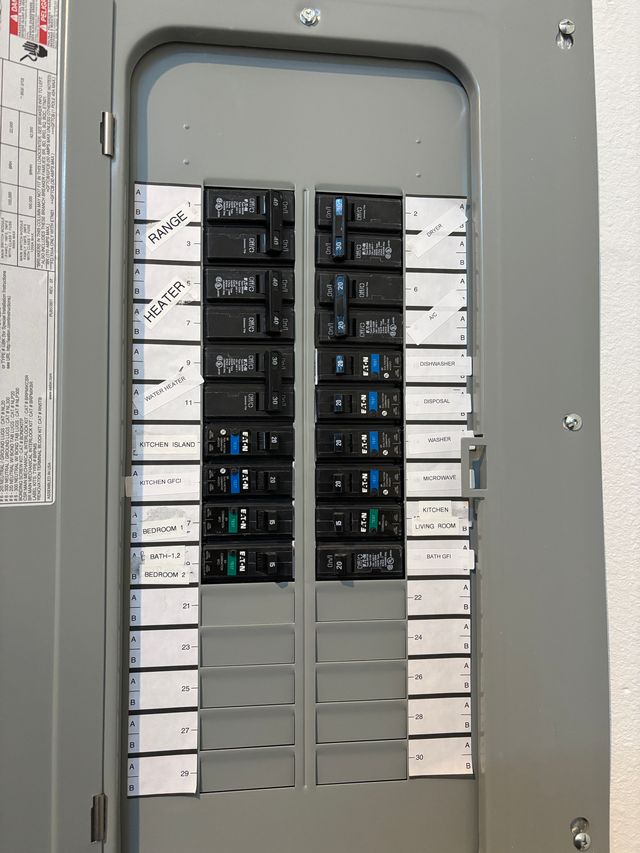
Your electrical panel is the hub that connects your standby generator to the rest of the home. Before installation, an electrician inspects the panel to confirm it can handle a transfer switch and the new load. Older panels with outdated breakers or known safety recalls often need replacement first. Many homes in our service area still run on 100 amp service, and a generator project may call for an upgrade to 200 amp service. A crowded or rusted panel is a red flag that the system needs attention before any generator work begins. The condition of the panel affects safety, reliability, and your ability to pass inspection. Catching these issues early saves you from delays once storm season ramps up. A clean, modern panel makes the entire generator setup more dependable.
A standby generator connects to your panel through an automatic transfer switch, which is the brain of the system. This switch constantly monitors utility power and senses the moment an outage begins. Within seconds, it disconnects your home from the grid and starts the generator, then it sends generator power into your circuits. When utility power returns, the switch reverses the process and shuts the generator down safely. This automatic action prevents backfeed, which can injure or kill utility crews repairing the line. A manual transfer switch is cheaper but requires you to flip it by hand during the storm. For most homeowners who want true peace of mind, the automatic transfer switch is the better choice. Your electrician installs and wires this switch as part of preparing your panel.
Panel preparation also includes labeling circuits and organizing the essential loads. If you choose essential circuit coverage, the electrician may install a separate subpanel that feeds only the protected circuits. This keeps the wiring clean and makes future service much easier. Proper grounding and bonding are critical, since a generator adds a second power source to your home. Loose connections, double tapped breakers, and missing grounds all get corrected during this stage. A code compliant panel protects your family and your equipment from electrical faults. Taking care of these details now means fewer surprises when the generator runs for real. The panel work is quiet, but it is the backbone of a safe standby system.
Where to Place a Standby Generator When You Prepare Your Home
Location is a major part of preparing your home for a standby generator. The unit sits outside on a level surface, usually a concrete pad or a manufacturer approved composite pad. Manufacturers and fire codes require minimum clearances from the house, windows, doors, and vents. A common rule places the generator at least 18 inches from the exterior wall and 5 feet from any door, window, or opening. These clearances keep exhaust fumes away from living spaces and allow air to flow around the unit for cooling. The spot also needs to stay clear of fences, bushes, and stored items that block airflow. A good location balances code rules, fuel access, and easy service for technicians. Planning this early gives you time to clear and prepare the ground.
Carbon monoxide safety drives many of the placement rules for a standby generator. The exhaust contains carbon monoxide, an odorless gas that is dangerous in enclosed or poorly ventilated areas. That is why a generator can never sit inside a garage, basement, or any attached structure. Keeping the unit the proper distance from windows and fresh air intakes stops fumes from drifting indoors. Working carbon monoxide detectors inside the home add another layer of protection for your family. Your electrician knows the exact clearances required by code and by the manufacturer. Following these rules is not optional, because shortcuts here put lives at risk. A correctly placed generator runs safely for years without endangering anyone inside.
Drainage and flood risk also shape where the generator should go. Placing the unit on high, well drained ground keeps it out of standing water during heavy rain. A generator that sits in a low spot can suffer water damage at the exact moment you need it most. Access for fuel lines matters too, since the spot must connect to your natural gas line or propane tank. Technicians also need room to open panels and perform maintenance without crawling through tight spaces. Local noise rules and your distance from neighbors can influence the final placement as well. A thoughtful location makes the generator easier to live with all year long. When the site is ready before storm season, the installation moves quickly and cleanly.
Standby Generator Installation Steps to Complete Before Storm Season
Once the planning is done, the standby generator installation moves through several clear steps. Your electrician schedules the work, sets the pad, mounts the generator, and wires the transfer switch into your panel. A licensed gas professional connects the fuel line and confirms proper pressure and flow. Permits and inspections happen along the way to keep everything code compliant and safe. The full process usually takes one to three days, depending on the panel work and the fuel setup. Starting before storm season gives you a buffer for permit timelines and equipment lead times. Rushing an installation during an active storm warning is stressful and often not even possible. Want a standby generator ready before the next outage? Click here for our generator installation service.
Scheduling a Standby Generator Installation Before Storm Season
Timing is everything when you schedule a standby generator installation before storm season. Spring and early summer are smart windows, because demand spikes hard right after major storms. Once a big outage hits the region, electricians and equipment suppliers get booked solid for weeks. Generator units themselves can also run low in stock during peak demand. Booking early means you choose the install date instead of waiting in a long line. It also gives your electrician time to handle a panel upgrade if your home needs one. A calm schedule leads to careful work and a cleaner final result. Planning ahead turns a stressful project into a smooth one.
An early installation date also leaves room for the permit and inspection process. Permits in Pennsylvania can take days or weeks to approve, depending on the township. If you wait until a storm is already in the forecast, the timeline simply will not work in your favor. Scheduling early lets your electrician submit paperwork, pass inspections, and test the system without pressure. It also gives you time to ask questions and understand how your new generator works. You learn how the transfer switch behaves and what the weekly self test sounds like. By the time storm season peaks, your system is proven and ready. There is real comfort in knowing the work was done right and verified.
Booking ahead also helps you take advantage of financing and seasonal promotions. A standby generator is a significant investment, and spreading the cost over time makes it manageable. Edinson Electrical Solutions offers financing through Synchrony for qualified homeowners. Locking in your project before the rush can also protect you from price increases driven by demand. You gain a fixed plan and a known cost instead of paying a premium during an emergency. Early scheduling shows that you value preparation over last minute scrambling. Your home stays protected, and your budget stays predictable. That balance is exactly what storm season planning should deliver.
Fuel Supply Setup for a Standby Generator Before Storm Season
Fuel supply is one of the most important parts of a standby generator installation. Most home standby units run on natural gas or liquid propane, and each option has tradeoffs. Natural gas connects to your existing utility line, so you never run out of fuel during a long outage. Propane requires a storage tank, which you must keep filled to guarantee enough runtime. Your electrician and a licensed gas technician confirm that your fuel source can meet the generator’s demand. Pipe size and gas pressure both affect how well the unit performs under load. A line that is too small starves the generator and causes it to shut down. Getting the fuel setup right is essential for reliable power.
Natural gas is a popular choice in many neighborhoods because the supply is steady and hands off. The generator pulls from the same line that feeds your furnace and water heater. During a long outage, you do not have to monitor a tank or schedule a refill. The downside is that natural gas is not available everywhere, especially in more rural parts of the area. The existing line may also need an upgrade to carry the extra demand of a generator. A gas professional measures the pressure and sizes the pipe to match the unit. When the supply is confirmed, your generator can run for days without interruption. That dependable fuel flow is a major reason homeowners choose natural gas.
Propane works well for homes without access to a natural gas line. It burns clean and stores for long periods without going bad, which makes it reliable for backup power. The key is tank size, since a small tank will not last through a multi day outage. A larger tank gives more runtime but takes up more yard space and costs more to fill. You also need to track your fuel level and arrange refills before a storm arrives. Your installer helps you choose a tank that matches your generator and your expected outage length. With the right tank and a full fill, a propane standby system keeps your home powered for days. Planning the fuel supply now means no scrambling when the weather turns.
Permits and Inspections for a Standby Generator Before Storm Season
Permits and inspections are required for any standby generator installation in Pennsylvania. These steps confirm that the work meets the National Electrical Code and local township rules. A licensed electrician pulls the electrical permit and often coordinates a gas permit as well. Skipping permits can void your warranty, create insurance problems, and lead to unsafe work. Inspectors check the transfer switch, the wiring, the grounding, and the placement of the unit. They also verify the fuel connection and the required clearances around the generator. Passing inspection gives you proof that the system is safe and legal. This paperwork protects you and adds value to your home.
Each township in the Lehigh Valley has its own permit process and timeline. Some offices approve quickly, while others take longer during busy seasons. An experienced local electrician knows these offices and how to move the paperwork along. That local knowledge prevents delays and keeps your project on track before storm season. Edinson Electrical Solutions handles the permit process so you do not have to navigate it alone. We schedule the inspections and meet the inspectors on site to answer their questions. This hands on approach keeps the timeline tight and the work transparent. You get a finished system that is fully documented and approved.
A final inspection is the moment your standby generator becomes officially ready for storm season. The inspector confirms that every connection is safe and that the unit starts and transfers power correctly. Your electrician then runs a full test, simulating an outage to prove the system works. You watch the transfer switch sense the loss of power and start the generator within seconds. This live demonstration shows that your home is truly protected. The electrician also explains the maintenance schedule and the weekly self test cycle. By the end, you have a verified, code compliant system and clear instructions for the year ahead. That is the level of confidence every homeowner deserves before the first big storm.
Why You Need a Standby Generator Installed Before Storm Season
A standby generator turns a dangerous outage into a minor inconvenience for your family. When the grid fails, your heat, refrigeration, sump pump, and medical devices keep running without a pause. Installing the unit before storm season means you are ready the moment the first storm rolls in. Waiting until the power is already out leaves you with no good options and a long line of other homeowners ahead of you. The smart move is to plan, install, and test your system while the weather is calm. Edinson Electrical Solutions is here to guide you through every step.
Protect Your Home With a Standby Generator Before Storm Season
A standby generator protects far more than your comfort during a power outage. A loss of power can shut down your sump pump and let water flood a finished basement. It can spoil hundreds of dollars of food in your refrigerator and freezer within a single day. Frozen pipes become a real danger when heat fails during a winter outage, while summer storms bring their own heavy risks. A standby generator removes these worries by keeping critical systems online automatically. With the right setup, your home stays safe and functional no matter how long the grid is down.
Summer storms in Pennsylvania can be sudden and severe, with high winds and heavy rain. Downed trees and lightning strikes knock out power lines across the region every year. These outages often last longer than people expect, sometimes stretching for several days. A standby generator gives your family stable power while crews work to restore the grid. You keep your air conditioning, your internet, and your security system running through the heat. That steady power makes a real difference when an outage drags on.
Reliable backup power also matters for anyone who works from home or runs a business. A single outage can cost you sales, missed meetings, and lost productivity. Refrigerated medications and home medical equipment cannot wait for the grid to come back. A standby generator keeps your routine intact even when the rest of the neighborhood goes dark. The unit pays for itself in saved food, prevented damage, and uninterrupted daily life. Preparing now means your home is ready before the next big storm season hits.

Add Surge Protection With Your Standby Generator Before Storm Season
Storm season brings power surges that can damage the electronics throughout your home. Lightning strikes and grid switching send voltage spikes through your wiring in an instant. These spikes fry televisions, computers, appliances, and even the control board inside your generator. Adding whole house surge protection is a smart companion to a standby generator. The surge protector mounts at your electrical panel and blocks dangerous spikes before they spread. Want to shield your electronics from storm surges? Click here for our whole house surge protection service.
A standby generator and surge protection solve two different storm problems. The generator handles the loss of power, while the surge protector handles dangerous spikes in power. When the grid comes back after an outage, the sudden return of power often carries a surge. That surge can damage the very appliances your generator just kept running. Layered protection guards your home from both the outage and the restoration. This complete approach is what serious storm preparation looks like.
Whole house surge protection is affordable compared to replacing fried electronics. A single lightning event can destroy thousands of dollars of equipment in seconds. The surge device installs quickly at your panel, often during the same visit as your generator work. Combining both projects saves you time and the cost of a second service call. Your electrician sizes the surge protector to match your panel and your home. With both systems in place, your home stands ready for whatever storm season brings.
Why Choose Edinson Electrical Solutions for Your Standby Generator
Edinson Electrical Solutions is a family owned and operated local business serving the Lehigh Valley. We are licensed and insured in the State of Pennsylvania, so every job meets strict safety standards. Our team focuses on code compliant work that is built for long term reliability. We back every project with a lifetime craftsmanship warranty, which shows our confidence in the work. When you hire us for a standby generator, you get honest guidance and a clean installation. We treat your home with the same care we would give our own.
We handle the entire standby generator project from the first phone call to the final inspection. Our electricians perform the load calculation, prepare your panel, and place the unit to code. We coordinate the fuel connection and manage the permits with your local township. Financing is available through Synchrony for qualified homeowners, which makes the project easier to budget. We serve Allentown, Bethlehem, Easton, Whitehall, and many other nearby communities. From start to finish, you work with one trusted team that knows the area.
Our goal is to deliver a five star service on every single job. We explain the work in plain language so you understand exactly what you are getting. We show up on time, keep the site clean, and stand behind our craftsmanship. Storm season does not wait, and neither should your generator project. Call Edinson Electrical Solutions at (484) 898-7788 to schedule your standby generator consultation today. Let us help you prepare your home before the next big storm arrives.